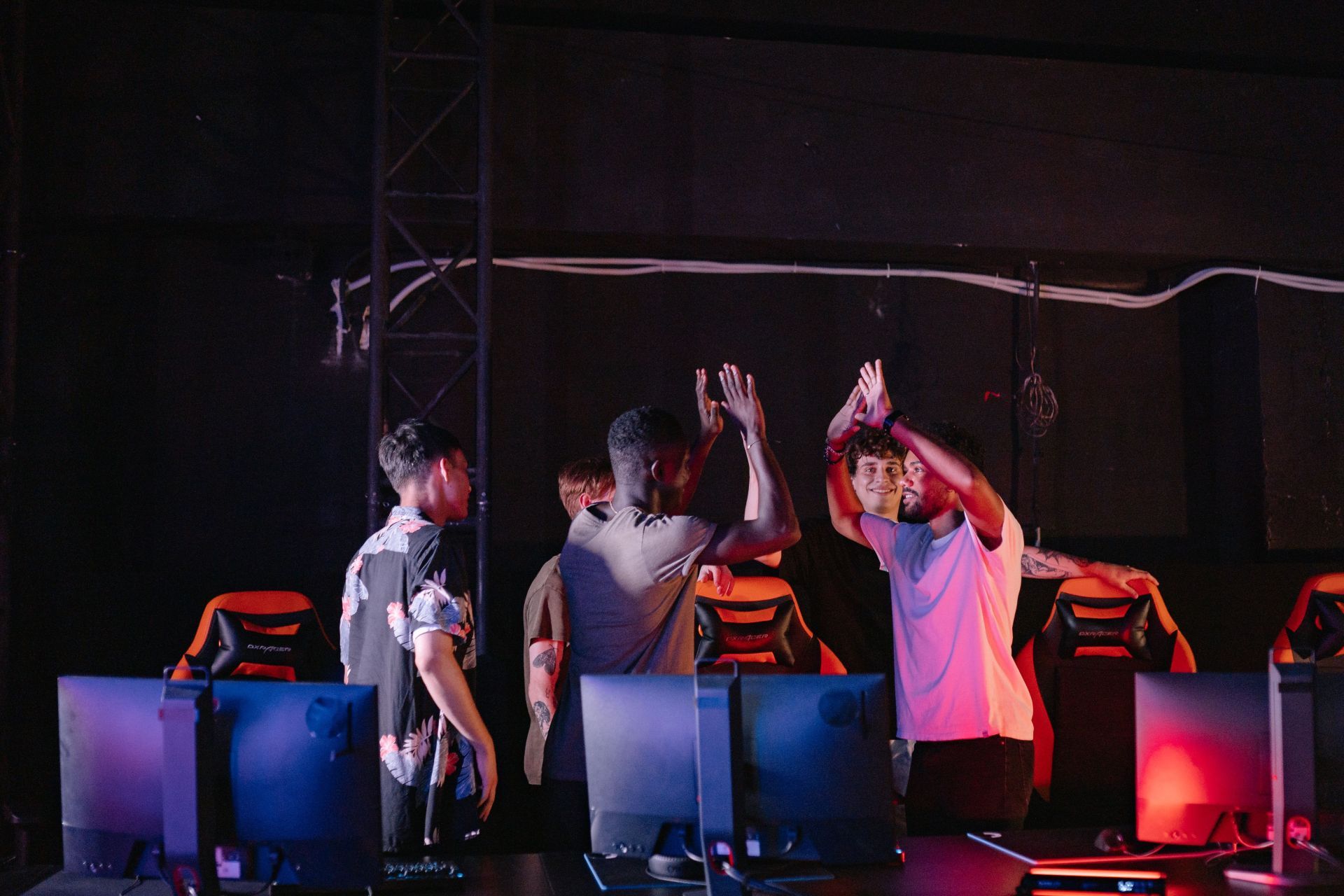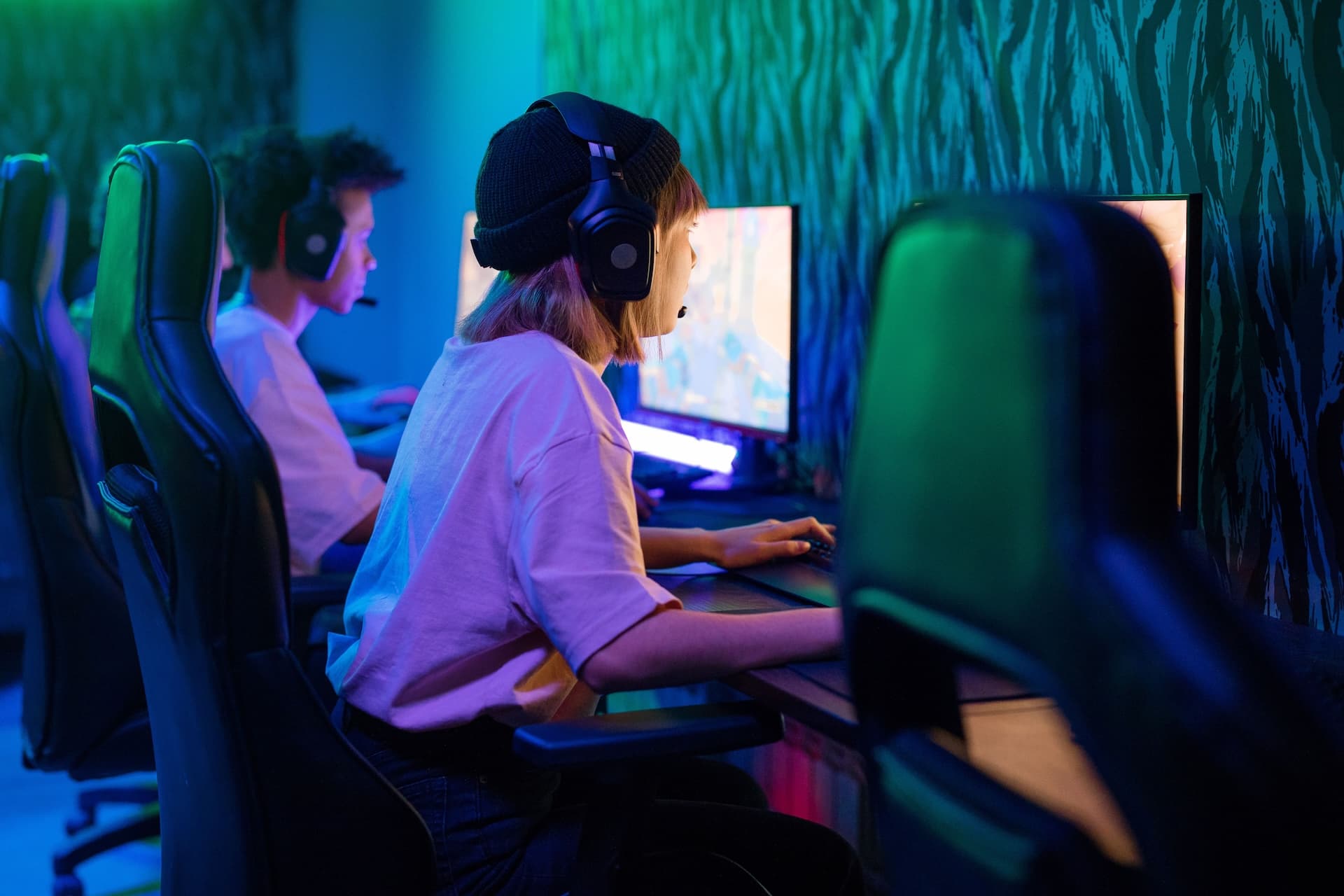



Gaming sponsorships have grown up. For many brands it’s a partnership model that can drive awareness, credibility, and community-led consideration, as long as it respects how gaming culture works.
The big shift is that you’re not buying audience attention in the classic sense. You’re borrowing trust from teams, creators, and communities—and that trust is conditional.
What counts as a “gaming sponsorship” today
Gaming sponsorships sit at the intersection of media, content, and community. In practice, they include:
- Esports brand partnerships (teams, leagues, tournaments, broadcast integrations)
- Creator sponsorships (streams, YouTube series, TikTok/Shorts formats)
- Community partnerships (Discord activations, UGC, community events)
The key characteristic is integration: the brand is present through recurring content, formats, or experiences—rather than a single ad impression.
Why “advertising to gamers” works differently than other channels
Gamers are used to monetized environments, but they’re also highly sensitive to anything that feels out of place, overly scripted, or exploitative. Sponsorships perform best when they add value to the experience: better content, better events, better rewards, better access.
This is why gaming sponsorships are less “campaign media” and more “partnership design.” You’re entering a culture with its own norms, and the audience can spot forced brand behavior instantly.
The three core partnership lanes (and when to choose each)
1) Esports brand partnerships
Esports partnerships work when you need cultural credibility and a structured calendar of moments: matches, broadcasts, tournaments, and recurring storylines.
The upside is repeatability (seasons, splits, majors) and clear assets (broadcast inventory, social packages, player content). The risk is misalignment: if the brand doesn’t fit the game title, team identity, or fan norms, the sponsorship can become a meme for the wrong reasons (or sometimes for a good ones).
2) Creator sponsorships
Creators are often the most efficient path to trust because they combine distribution with social proof. But you’re not only buying reach—you’re buying a creator’s format and relationship with chat/community.
Operationally, creator sponsorships succeed when you:
- Match the creator to the audience motivation (competitive mastery vs cozy vibes vs “variety entertainment”)
- Build around repeatable content mechanics (segments, challenges, series), not just one deliverable
- Give creators room to be authentic (over-scripting is usually punished)
Also: get disclosure right. On Twitch, creators producing branded content are expected to use Twitch’s branded content disclosure tooling and follow the platform’s branded content policy. (Source: Twitch Branded Content Policy)
3) Gaming community partnerships
Community partnerships are where you can build depth: Discord events, UGC challenges, community tournaments, mod/creator spotlights, and “member-only” perks.
The tradeoff is measurement. You typically get stronger sentiment and loyalty signals, but fewer clean last-click conversions—so you need a KPI model that includes leading indicators (participation, retention, community growth) alongside business metrics.
A practical strategy framework for gaming sponsorships
Start with one job-to-be-done
Before you pick a property (team/creator/community), define the job:
- Build awareness with credibility
- Shift perception (e.g., “this brand gets gaming”)
- Drive consideration (product education, reasons-to-believe)
- Create trial (sampling, offers, demos, access)
- Support retail outcomes (store traffic, promo windows)
One sponsorship can do multiple things—but it can’t do everything at once unless the activation plan is genuinely strong.
Choose the partnership “shape”
Most winning sponsorships fall into one of three shapes:
- Media-first: you’re primarily buying exposure and content distribution (common in esports broadcasts).
- Content-first: you’re funding recurring creator content that the audience would watch anyway.
- Experience-first: you’re building an activation the community participates in (events, challenges, rewards, co-creation).
Pick one as the anchor. Everything else is support.
Build your asset plan backwards from activation
Sponsorship packages often list assets (logo, posts, shoutouts). Brands should list moments:
- What is the recurring segment?
- What is the community mechanic?
- What does the brand enable that couldn’t happen otherwise?
If you can’t answer that, you’re likely buying “presence” without impact.
Brand activation ideas that fit gaming culture
Co-created challenges (creator + community loop)
Instead of “use our product,” the creator sets a challenge that the community can attempt, remix, or compete in. The brand’s role is to power the format: prizes, production, exclusive access, or community tools.
Utility activations
Gamers love things that improve play: guides, loadouts, overlays, performance tools, merch drops that are actually wearable, or behind-the-scenes content that gives status inside the community.
Event-based activations
Community tournaments, watch parties, or seasonal “mini-events” can outperform passive exposure because participation creates memory. If you can’t run a big event, run a small one with a clean mechanic and strong creative.
Brand safety and suitability in esports and creator partnerships
Gaming is not a single environment. Risks vary by:
- Game genre (mature themes vs family-friendly)
- Chat dynamics (moderation quality)
- Creator persona and history
- Community norms (edgy humor vs wholesome tone)
Treat this as brand suitability, not just “avoid extremes.” A safe but wildly mismatched partnership can still damage perception.
The most common mistakes brands make in gaming sponsorships
Buying logos instead of moments
A logo rarely creates a reason to care. A recurring mechanic does.
Over-scripting creators
Creators are paid for trust. If you remove their voice, you remove the asset you paid for.
No post-campaign plan
Sponsorships work best as a system. If you disappear after one drop, you’re paying “new relationship” costs repeatedly.
Sources
- Twitch Help — Branded Content Policy — rules and requirements for branded content and disclosures on Twitch.