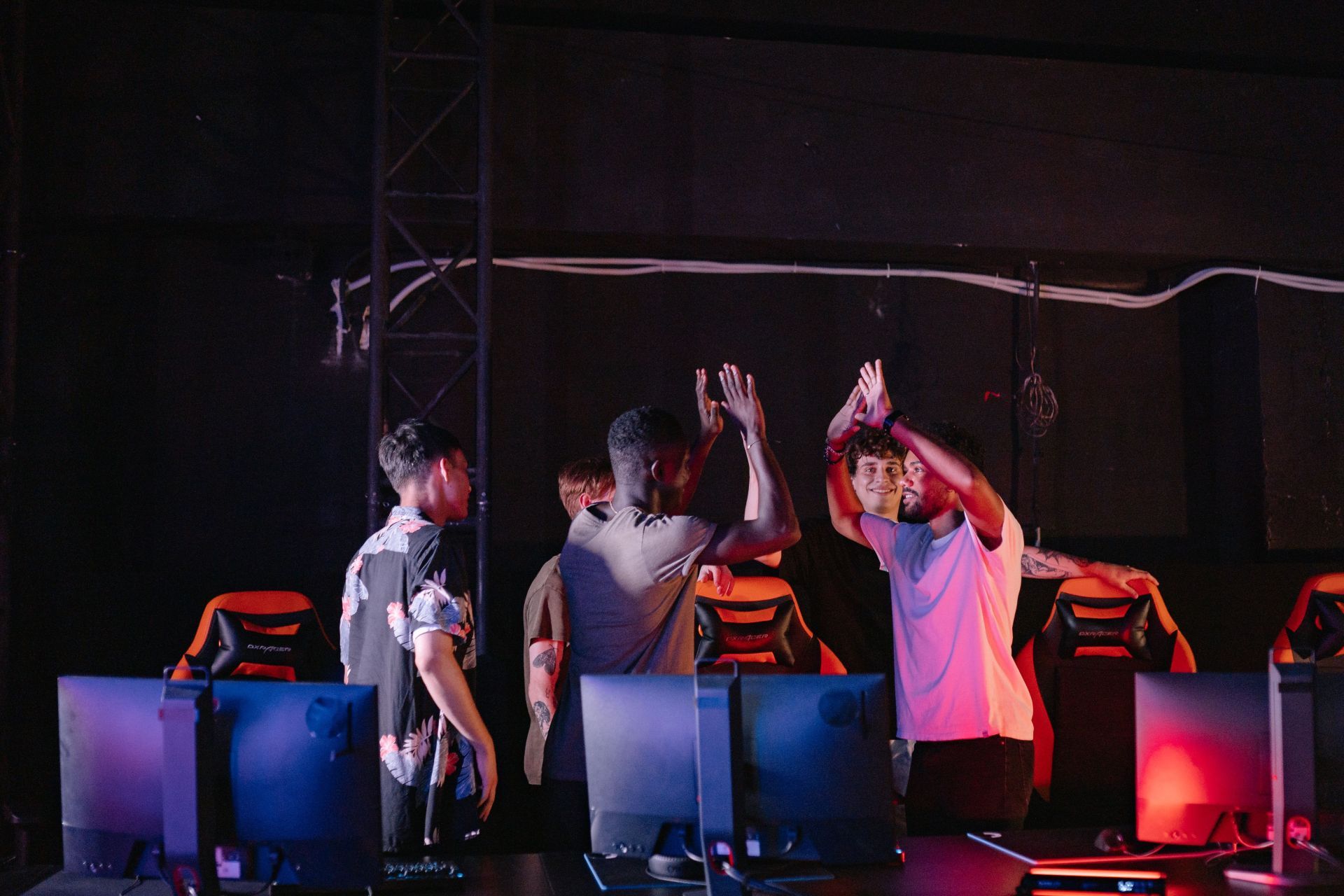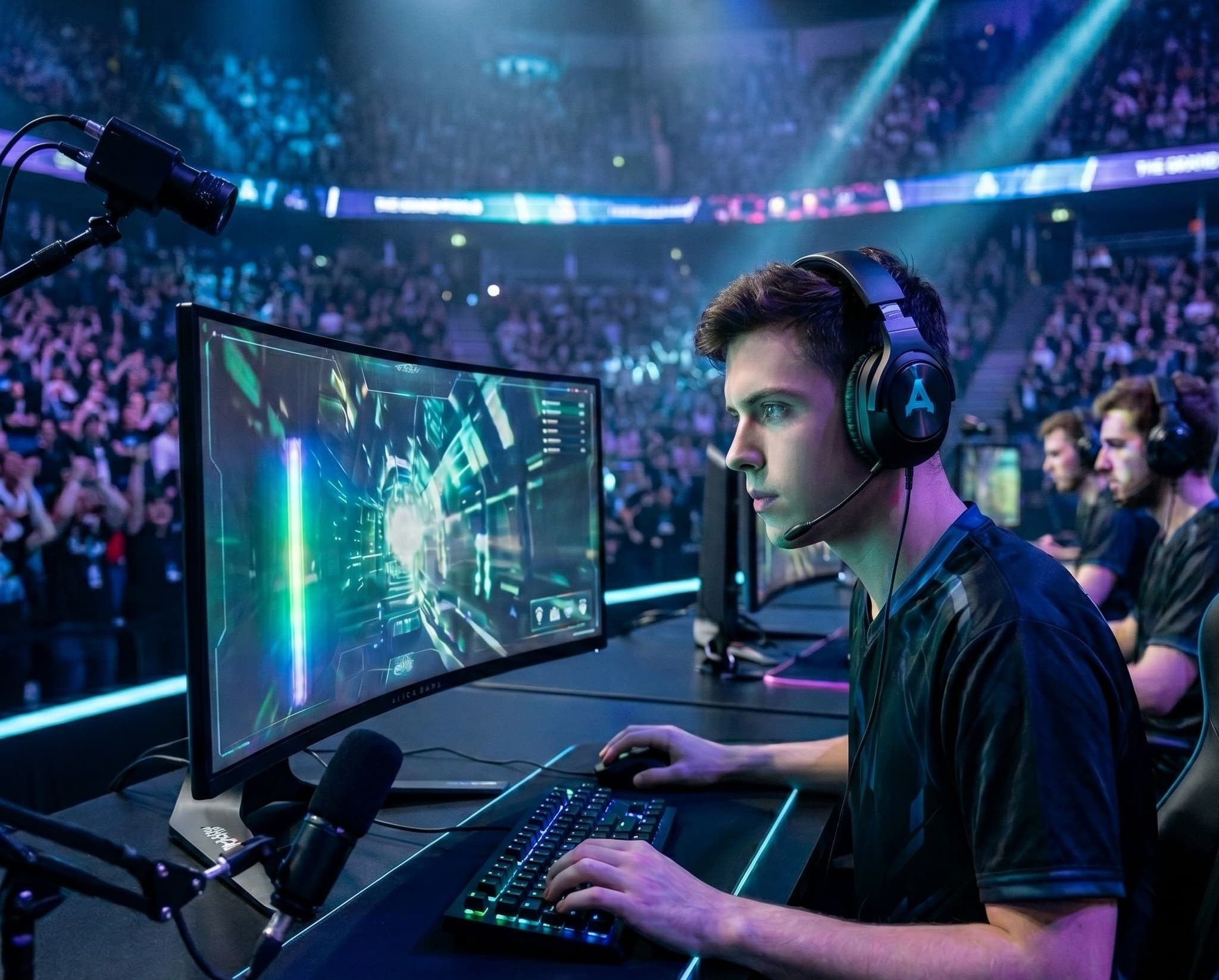



Esports marketing is where media, entertainment, and community collide. You’re not just “running esports advertising” next to gameplay - you’re entering a fandom ecosystem with its own heroes, storylines, memes, and unwritten rules. Brands that win in esports don’t try to hijack attention. They earn permission by funding better experiences, better content, and better moments for fans.
What esports marketing includes (and what it doesn’t)
Esports marketing is the set of brand activities built around competitive gaming: teams, leagues, tournaments, broadcast content, creators, and community spaces where fans gather.
It’s not a shortcut to “the gaming audience.” Esports has its own segment dynamics: some fans watch daily, some only tune in for major events, and many discover esports through creators and highlights rather than full broadcasts.
Why brands in esports play by different rules
In esports, credibility is fragile. Fans can instantly tell when a partnership exists only for logo exposure. The “tax” for inauthenticity is high: social backlash, chat negativity, and creators unwilling to engage.
So the baseline strategy is simple:
- Fit the culture (game title, community tone, competitive context)
- Add value (content, access, tools, rewards, or production uplift)
- Be consistent (one-off activations rarely compound)
The main partnership routes in esports (and when to use each)
Team sponsorships
Best for brands that want a recognizable identity, recurring content, and a community hub. Teams bring players, narratives, and daily social presence-but you need an activation plan beyond jersey/logo placements.
Tournament and league partnerships
Best for brands that want tentpole moments, broadcast visibility, and a calendar you can plan around. This route can scale quickly, but it’s also the easiest place to fall into “logo wallpaper” if you don’t design interactive moments.
Talent and creator partnerships
Best for trust and storytelling. Many fans consume esports through commentary clips, co-streams, and creator recaps-so creators can be the bridge between competitive moments and mainstream awareness.
If your activation relies on stream integrations, build compliance into the workflow: Twitch expects creators to use its branded content disclosure tools and follow its branded content policy.
Publisher/platform partnerships
Best when you need access: in-client drops, official data, broadcast assets, or game-integrated experiences. These deals can unlock unique mechanics, but they require tight coordination and lead time.
A practical esports marketing strategy framework
Step 1: Define the job in one sentence
Esports can do many things, but each activation should have one primary job, like:
- Build credibility with a specific community
- Create a memorable moment around an event
- Drive consideration via product education
- Generate trial via offers, sampling, or rewards
- Own a recurring content format fans return for
One job makes everything else (partners, creative, KPIs) much easier.
Step 2: Choose your “activation shape”
Most strong activations fall into one of these shapes:
1) Content-first The brand funds a format fans actually want: a weekly show, behind-the-scenes series, match analysis, or a creator-led challenge.
2) Experience-first The brand improves the fan experience: watch-party mechanics, IRL fan zones, meetups, interactive voting, community challenges.
3) Utility-first The brand provides tools or value that naturally belongs in competitive culture: performance setups, training resources, fan stats/recaps, or practical perks.
Pick one anchor shape so the sponsorship isn’t just “presence.”
Step 3: Design the handoffs
This is where many “integrated” esports plans break. Make sure each touchpoint leads somewhere natural:
- Broadcast moment → creator clip → community challenge
- Team content → paid amplification → landing page with the full series
- Tournament activation → UGC loop → highlight reel → retargeting
Without handoffs, you’re running parallel tactics instead of building momentum.
Activation ideas that typically work well (without feeling forced)
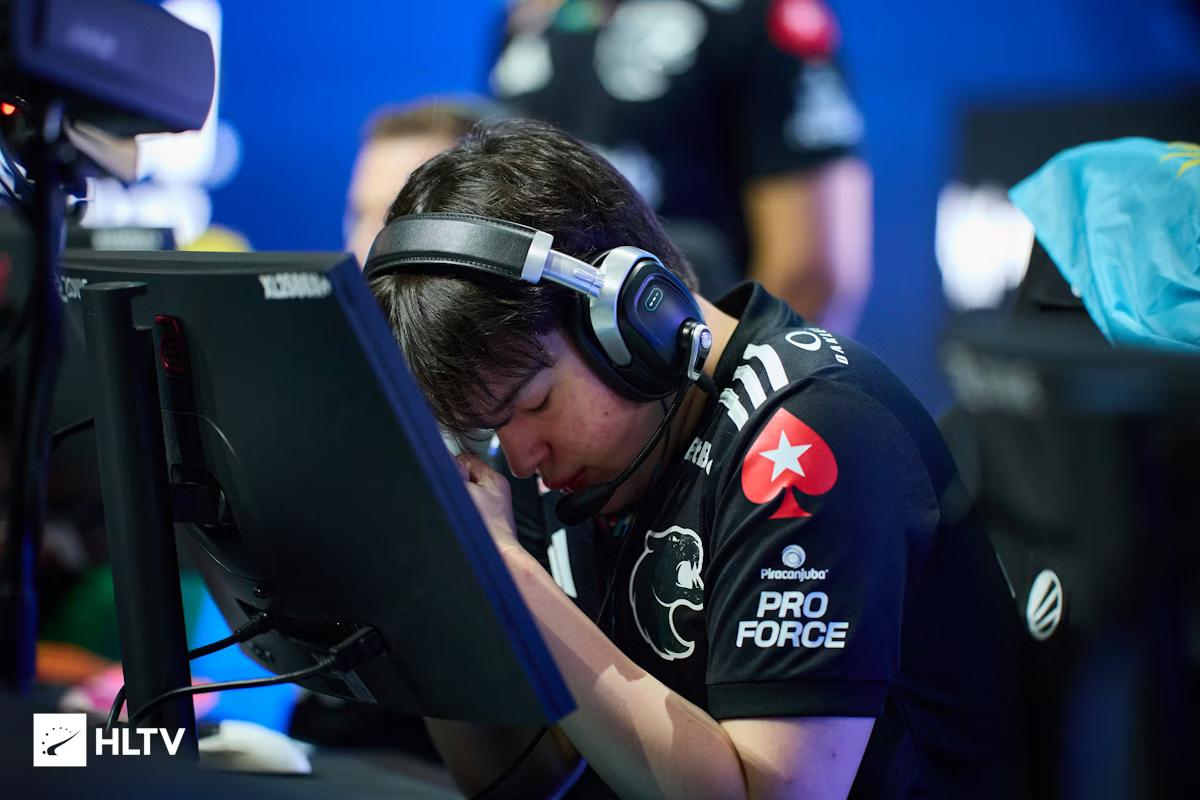
Source: hltv.org, photo by theMAKKU
Creator-led “skills challenge” that fans can copy
A pro or creator sets the challenge, the community tries it, and the brand powers the format with prizes, features, or access. The brand role feels like an enabler, not an interrupter.
“Mic’d up” or behind-the-scenes storytelling
Competitive gaming is full of tension and preparation. Brands can sponsor a recurring BTS format that turns players into characters fans care about-especially effective for long-term partnerships.
Watch-party mechanics that reward participation
Instead of only buying media, build a participation loop: predictions, quizzes, live community goals, or highlight voting. The best versions make the broadcast more fun, not more commercial.
Measurement: what to track for esports advertising and sponsorships
A clean KPI stack prevents “we got impressions” reporting:
Delivery
- Reach / frequency (broadcast + social + creator)
- Content output (episodes, clips, highlight packages)
Quality
- Watch time, completion rates, engagement rate
- Sentiment (comments, chat response, community feedback)
- Participation metrics for activations (entries, votes, UGC volume)
Business impact
- Branded search lift, site actions, sign-ups
- Promo redemptions / offer uptake
- Brand lift studies
Pick one primary metric tied to the job-to-be-done so optimization stays focused.
Guardrails: disclosure and trust are part of performance
In esports, unclear sponsorship disclosure doesn’t just create legal risk-it can damage trust with fans. In the U.S., the FTC’s updated Endorsement Guides emphasize clear disclosure of material connections between brands and endorsers.
Even if you’re operating globally, treat disclosure as a universal trust practice: clear, early, and consistent across formats.
Common mistakes brands make in esports marketing
Buying logos instead of building moments
If the plan is “logo + a few posts,” you’re buying visibility without memory.
Over-scripting talent and creators
Esports fans reward authenticity. If the integration sounds unnatural, performance drops and negativity rises.
No always-on plan
Esports rewards continuity. A single event activation can work, but the best results usually come from repeatable formats that evolve over a season.
Sources
- Twitch Help - Branded Content Policy - platform requirements and expectations for branded content disclosure on Twitch.
- Federal Register - FTC Endorsement Guides (effective July 26, 2023) - guidance on endorsements/testimonials and disclosure of material connections.