


Marketers have spent decades optimizing for time spent. Minutes, impressions, viewability seconds. Almost none of them ask what state of mind the audience is in during that time. A person watching a series is passive, interruptible, and often doing something else simultaneously. A person in a game is in a fundamentally different cognitive state - one that psychologists have been studying since the 1970s and that brands have barely begun to factor into their planning.
The gap between these two states is not a matter of degree. It is qualitative. Understanding it changes how you think about where to place a brand, and why reach and time spent - on their own - are insufficient proxies for marketing effectiveness.
The metric nobody measures
The advertising industry standardized around reach and time spent because those are easy to count. Every platform can report them. They travel well in a media plan, convert cleanly into CPMs, and compare neatly across channels. What they don't count is the cognitive state of the person during that time.
Two minutes of genuine focus and two minutes of passive background exposure are not the same thing. They produce different memories, different emotional associations, and different brand outcomes. The instruments most media plans use cannot tell these apart. This is not a minor gap in measurement. It is the reason the same budget can produce dramatically different results depending on where it runs.
What is flow state, and why does it matter?
In the 1970s, Hungarian-American psychologist Mihaly Csikszentmihalyi identified a state he called flow: complete absorption in a challenging task. It occurs when the difficulty of the activity matches the skill of the person doing it. In flow, time perception distorts, self-consciousness disappears, and the brain operates at full engagement. The person is not thinking about other things. They are entirely present in what they are doing.
Csikszentmihalyi documented flow across musicians, surgeons, chess players, and athletes. The conditions that produce it are consistent: clear goals, immediate feedback, and a challenge calibrated to the person's ability. These conditions describe every well-designed game.
Flow is not a metaphor for engagement. It is a specific psychological and neurological state. And it matters for brands because of what happens to memory formation when people are in it.
Why the brain in a game is different from the brain on a sofa?
Watching a series activates passive visual processing. The viewer receives information without needing to respond to it. Playing a game activates decision-making, motor control, pattern recognition, emotional response, and social processing simultaneously. The brain in flow is working, not resting.
This difference is not trivial for advertising. Memory formation is directly tied to emotional state and cognitive engagement at the time of encoding. Experiences that occur during high engagement are remembered more vividly, more accurately, and for longer than experiences that occur during passive consumption. A brand that appears during a moment of genuine focus is encoded differently from a brand that appears during a commercial break.
The practical implication: the same creative, delivered at the same moment, to a person in flow versus a person in passive consumption, will produce different brand recall outcomes. Most media plans treat context as interchangeable. It isn't.
What does this mean for brand recall?
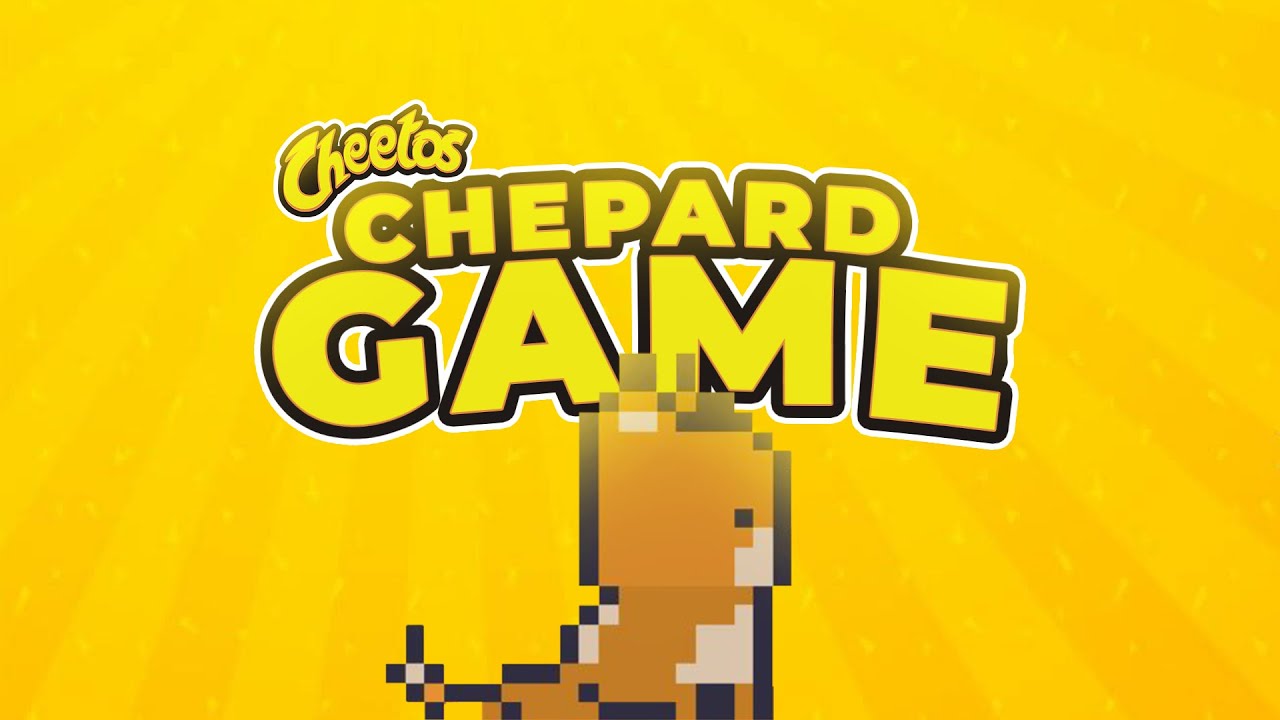
The brand lift results from New Game + campaigns consistently point in one direction. Brands that appear well inside gaming contexts are remembered at rates significantly above what traditional channel benchmarks would predict. Allegro's gamEXP activation produced a 29-point increase in ad recall. The Cheetos Chepard campaign produced an 11-point increase in brand perception and a 6-point increase in campaign recognition. These are not typical display advertising outcomes.
The mechanism that explains them is not reach. It is the quality of the cognitive state the audience was in when they encountered the brand.
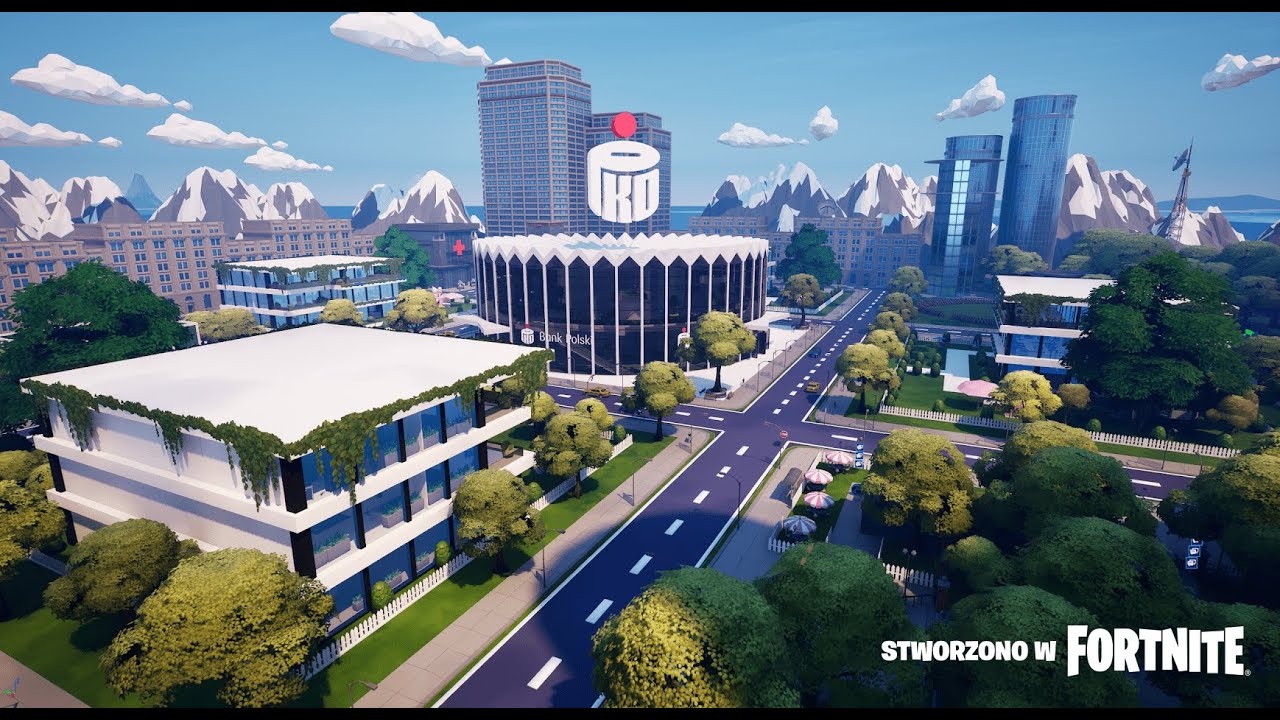
PKO Bank Polski put this to the test directly. Their branded Fortnite map generated an average session time of 26 minutes. That is not time spent scrolling past content. It is time spent fully engaged in an experience that happened to be built around a bank. The attention PKO earned in those 26 minutes is structurally different from anything a pre-roll could deliver.
The interruption trap
TV advertising, pre-roll video, and social media ads share a structural problem: they are interruptions. The viewer was doing something else and the brand forced itself into that experience. The psychological response to interruption is resistance. This is not a content quality problem. It is an architecture problem. The format itself generates friction.
Gaming integration done correctly does not interrupt the flow state. It fits inside it. Rewarded video works because the player chooses the interruption in exchange for something they want. In-game items work because they become part of the environment the player is absorbed in. Contextual triggers work because they match the emotional moment.
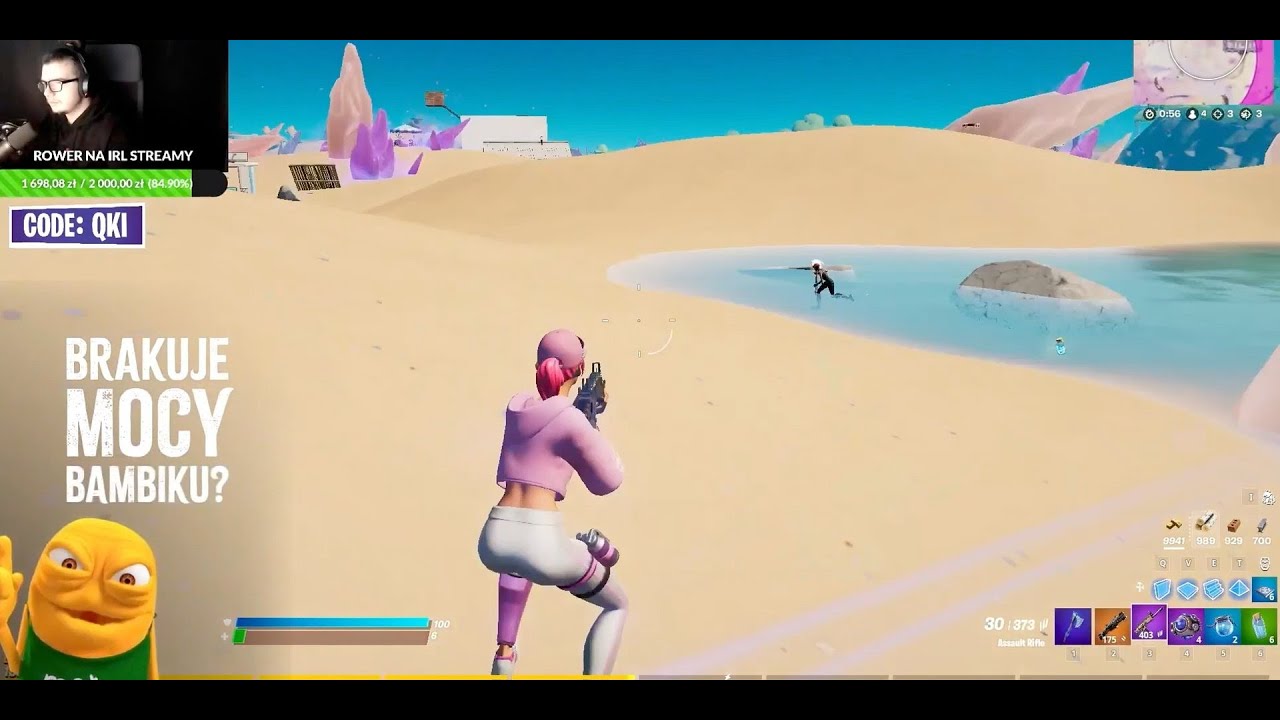
Danio's AI campaign illustrates the distinction precisely. The system read the live Fortnite gameplay feed in real time and triggered the brand's character when a streamer's in-game energy dropped. The result was not viewer resistance. Viewers asked "how does it know?" The brand appeared at the exact moment it was most relevant, without overriding the experience that generated the flow state. Context beat frequency.
Gaming's attention doesn't stay inside the game
What Wiktoria Kuzak, Head of Strategy at New Game +, points to in describing gaming attention is that the flow state doesn't end at the game itself. It spreads through the ecosystem around gaming, producing a category of media engagement that operates by different rules from standard content consumption.
Consider livestreaming. A Twitch stream is not optimized for three-second dopamine hits. It is slow, long, and structured around interaction. A streamer talks to their audience before a game begins. Matches have pauses. Not much may happen in a given minute. And yet American Twitch users spend an average of 95 minutes per day on the platform — nearly an hour and a half of sustained attention on a single content type. The format sits between the active engagement of playing a game and the passive lean-back of watching television. That middle position creates something specific: strong parasocial bonds, community belonging, and sustained attention without the cognitive demand of play itself.
The same dynamic operates in platforms like Roblox, where Gen Z and Alpha users now spend an average of 2.7 hours per day, exceeding time spent on TikTok at 2 hours, Instagram at 1.3 hours, and YouTube at 1.2 hours. Roblox users report that their primary motivation for being on the platform is not the games themselves but spending time with other people. Gaming has produced its own social infrastructure, and that infrastructure retains the quality-of-attention characteristics of its origin.
Discord communities extend this further. Players build and maintain relationships inside game-specific communities that keep the attention quality of gaming active outside of active gameplay. The ecosystem as a whole tends toward longer sessions, deeper engagement, and more durable memory formation than content-optimized social feeds.
For a brand, this means that a well-executed presence in gaming is not limited to the moment of play. It establishes a credibility and recognition that carries through streams, communities, and social content, across an audience that is significantly harder to reach through conventional channels.
What media planners should do with this
Three things follow from the above.
First: attention quality should sit alongside reach and time spent as a planning metric. The question is not only how many people saw this for how long but what state they were in when they saw it. Gaming environments produce a specific kind of attention that is more aligned with brand memory formation than passive media. This should influence channel allocation, not just channel presence.
Second: the audience in gaming is not just large. It is hard to reach by other means. Core gamers operate in an alternative media ecosystem. They are significantly less likely to watch television than the general population, more likely to use ad blockers, and more likely to spend discretionary media time inside platforms that don't accept standard ad formats. New Game +'s access to 170,000+ gaming content creators and 40+ media tools exists specifically because reaching this audience requires fitting into the environment it uses, not forcing that environment to accept formats built for a different context.
Third: the flow state of gaming creates space for formats that don't exist elsewhere. The contextual trigger, the in-game item, the branded map, the creator campaign where the brand is genuinely part of the content rather than adjacent to it - these are not adaptations of traditional advertising. They are formats that only work because of the specific psychological conditions gaming produces. Brands that understand this are not just running campaigns in gaming. They are inventing new kinds of brand contact that standard media cannot replicate.
The attention economy has shifted significantly. Reach is cheap. Quality of attention is not. Gaming is one of the few remaining environments where a brand can earn focused, emotionally engaged, high-recall contact at scale — if it knows how to enter without breaking the state that makes all of it possible.
Key takeaways for marketers
- Flow state is a specific psychological condition, not a synonym for high engagement. Understanding it changes what "good contact" looks like in a media plan.
- Memory formation improves when encoding happens during high cognitive engagement. Gaming produces that state more reliably than passive media.
- The interruption model doesn't work in gaming. Formats that fit the flow state produce fundamentally different brand recall outcomes than formats that override it.
- Gaming's quality of attention extends beyond play into streaming, community platforms, and social content - it creates an ecosystem, not just a single channel.
- Core gamers are difficult to reach outside of gaming. Their media diet is structured differently, and standard formats don't reach them.