



Just a few years ago, esports sponsorship was dominated by tech brands. Today, it’s a fully-fledged communication tool for industries ranging from fashion to FMCG. In 2025, the global esports market is expected to exceed $4.8 billion, with sponsorship accounting for over one-third of that revenue. It’s a powerful market — but also a space where it’s easy to lose the audience’s attention if a brand treats esports as a one-off attraction instead of an integrated part of its communication strategy.
Esports as a Space of Attention, Not Just Entertainment
In a world where the average attention span on social media is 1–3 seconds, gaming remains one of the last environments where audiences actually focus on what they see and hear. The player doesn’t multitask — their attention is maintained during long sessions, often lasting several hours. For brands, this is an environment where messages have the chance to fully land, rather than vanish among thousands of micro-content pieces.
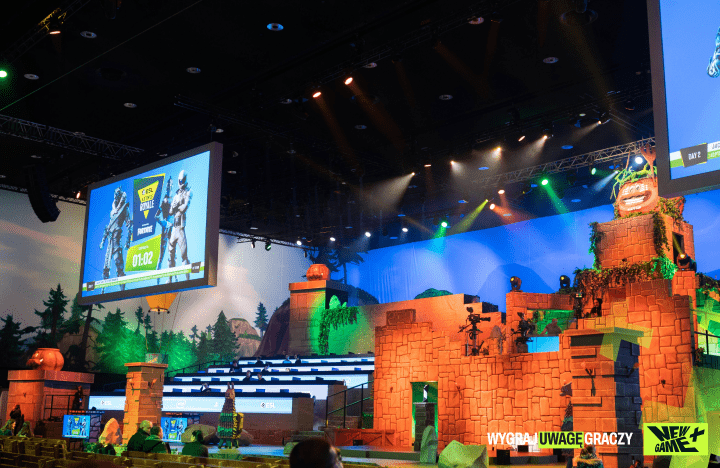
That’s precisely why esports sponsorship should not be treated as a quick way to reach young people. It’s rather an entry point to building a lasting presence in a culture that naturally captures attention.
Tournament Sponsorship — Impressive, But Not Enough
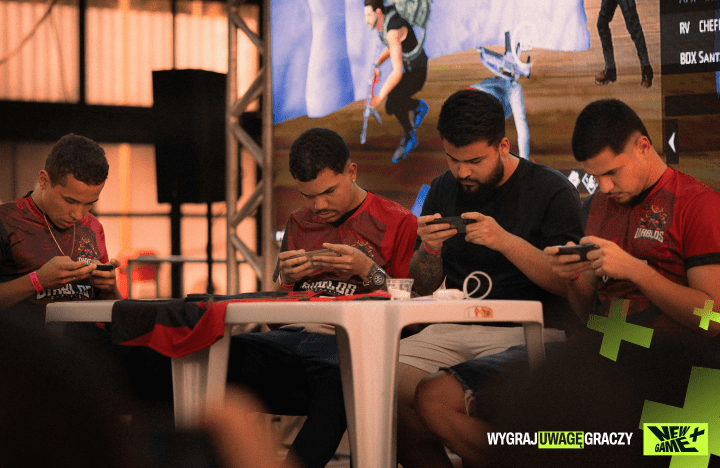
Sponsoring a tournament is one of the most effective ways to generate reach and make an initial connection with gamers. But if a brand stops there, it’s difficult to achieve lasting impact. Once the event ends, the brand disappears from view, and audience excitement quickly fades.
In practice, the most successful sponsors are those who treat esports as one of many tools in a broader strategy — combining it with influencer marketing, livestream content, and contextual activations. In the Cheetos Chepard Game campaign, the brand didn’t stop at logo exposure. It created an interactive game that viewers could play on Twitch, engaging with the brand world in a natural, immersive way.
Such formats extend time spent with the brand — and, more importantly, build emotional connections.
Why a Long-Term Strategy Works Better
The most effective brands in esports are those that commit long-term. Red Bull, Intel, and T-Mobile consistently build their presence in the gaming environment by combining sponsorships with contextual activations and technology. For example, T-Mobile used voice recognition technology that allowed streamers to naturally generate branded moments during broadcasts — without interrupting gameplay. The result? An 11 percentage point increase in brand awareness and thousands of organic interactions with viewers.
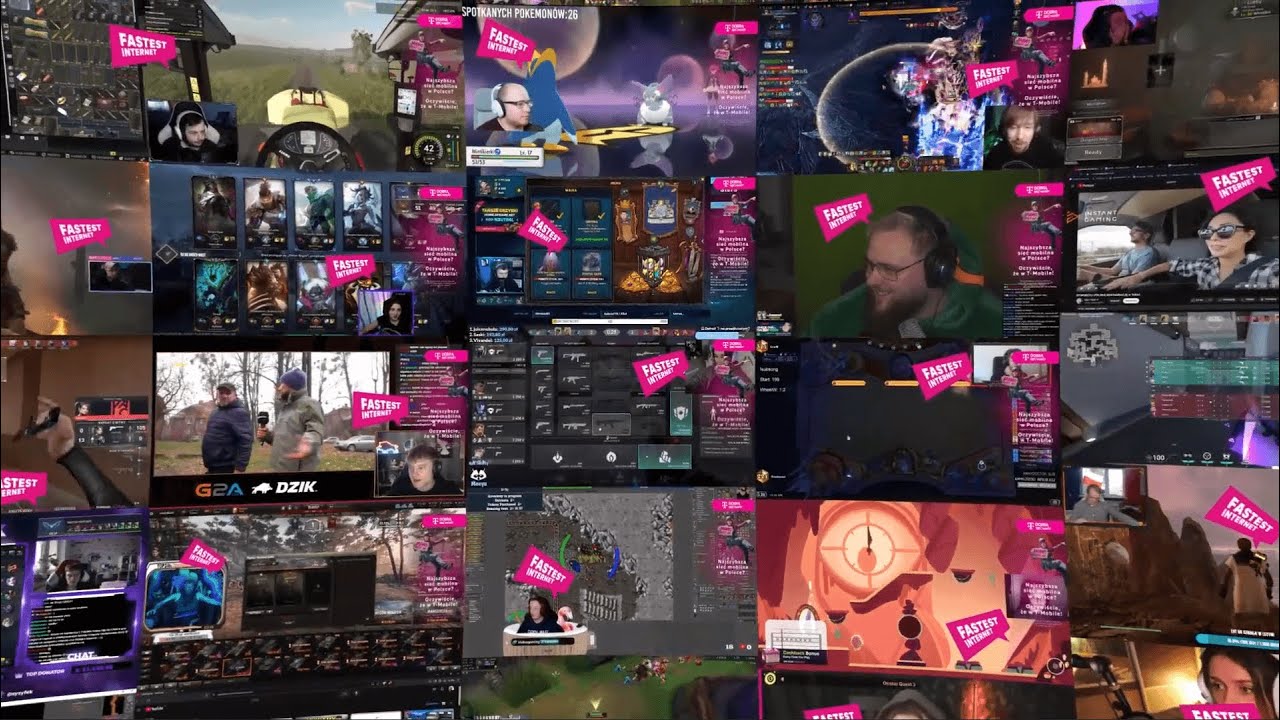
These kinds of initiatives show that success doesn’t come from simply "being present in esports" — it comes from understanding its language and rhythm. Gamers instantly recognize whether a brand truly understands their world or is merely trying to cash in on a trend.
How to Integrate Esports Into Your Brand Strategy
Esports can be an effective communication channel if it is embedded in a broader marketing narrative. For a brand manager, this means planning synergy between different touchpoints:
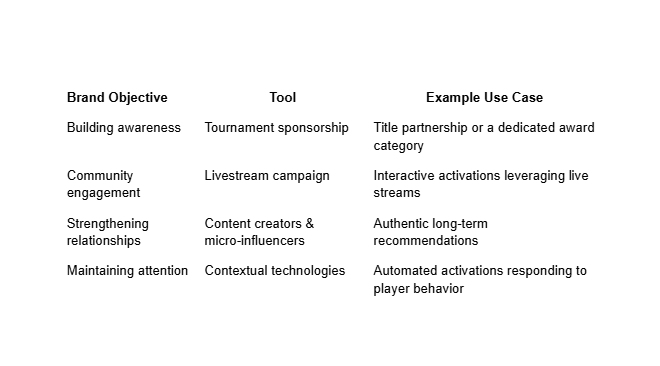
As a result, esports is not treated as a “separate channel” but becomes an integral part of the brand’s media system — the same logic in which New Game+ operates: context, interactivity, and sustained attention.
Authenticity and Context – The Two Pillars of Effectiveness
Every campaign in gaming should be embedded in player context and culture. It’s not the place for aggressive CTAs or generic messaging. In the Algoflex Pain Ambassadors campaign, in-game characters became ambassadors for health awareness — and it worked because the message was part of the gaming narrative, not a commercial break. Users didn’t reject the campaign — they incorporated it into their chat discussions.
In gaming, authenticity is not a bonus — it’s a requirement. Any false note is instantly noticed by the audience.

Conclusion
Esports is not an end in itself, but an effective tool within a brand’s media system. Sponsoring a tournament may be a spectacular start, but real value emerges when a brand builds relationships with players through context, interaction, and continuity.
If we treat esports as a component of an attention strategy — alongside social media, livestreaming, and influencer marketing — it can become one of the most powerful communication channels for a generation that rarely gives brands a second chance to earn their attention.