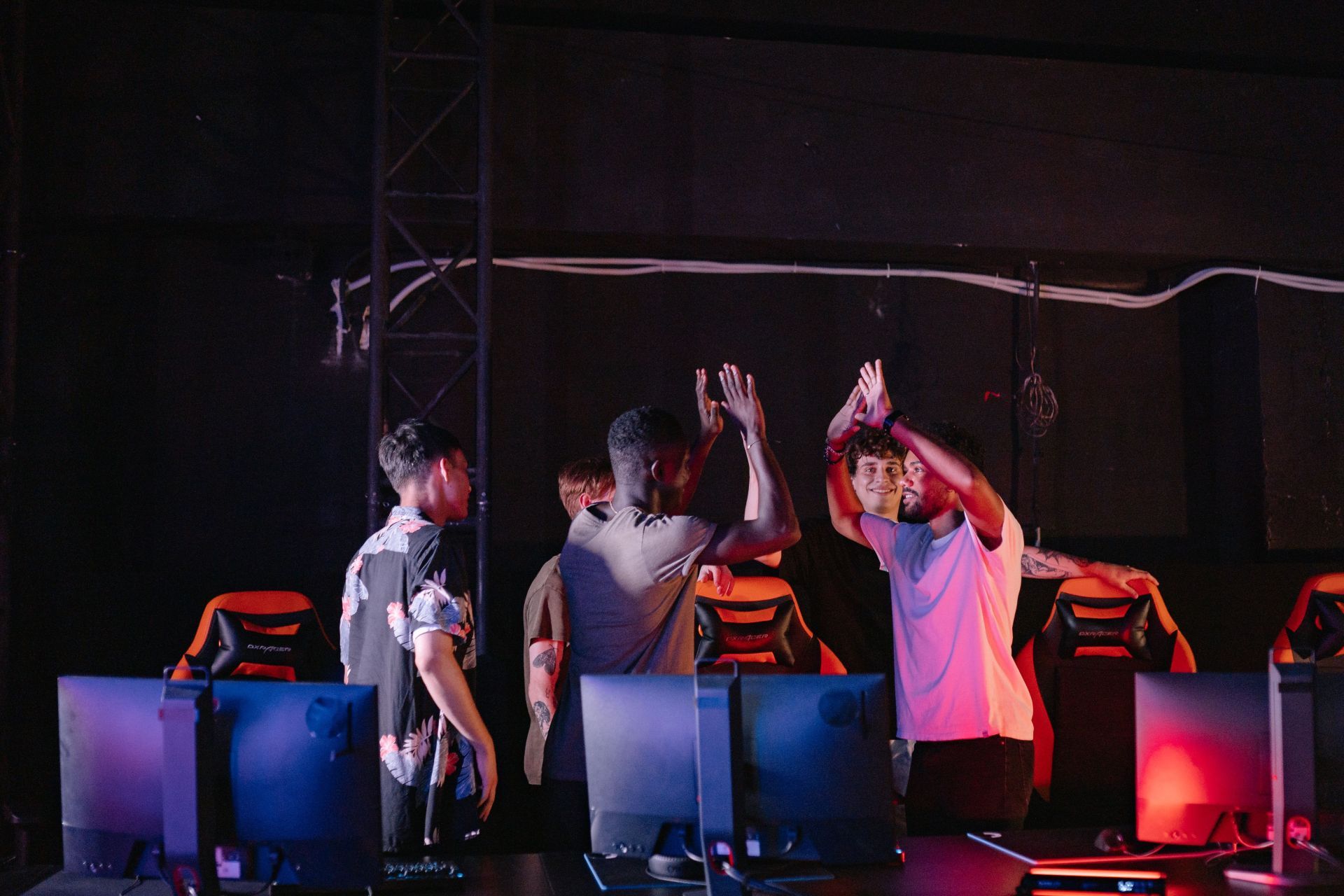



360° marketing, which aims to integrate promotional activities across all consumer touchpoints, now faces a major challenge: maintaining audience attention. Traditional channels like television and social media are losing their effectiveness. One powerful solution to this issue is exploring alternative marketing channels — with gaming standing out as a key space.
Why Does Gaming Capture Attention Better Than Other Media?
Today, social media users spend just 1 to 3 seconds on a single piece of content before scrolling in search of a “hook.” Similarly, during TV viewing, 86% of viewers use a second screen, and over half of all ads are not even watched visually.
In contrast, gaming provides an environment of focused, active attention. According to Dentsu’s Play Attention study, 73% of gaming time involves high concentration, and sessions can last for several hours. As a result, in-game advertising achieves brand recall levels of 57%, far higher than digital or social campaign averages (38%).
Effectiveness of Alternative Marketing Channels: Case Studies
Below are three campaigns that demonstrate the power of alternative marketing channels — especially within gaming environments:
Cheetos: Interactive Campaign on Twitch
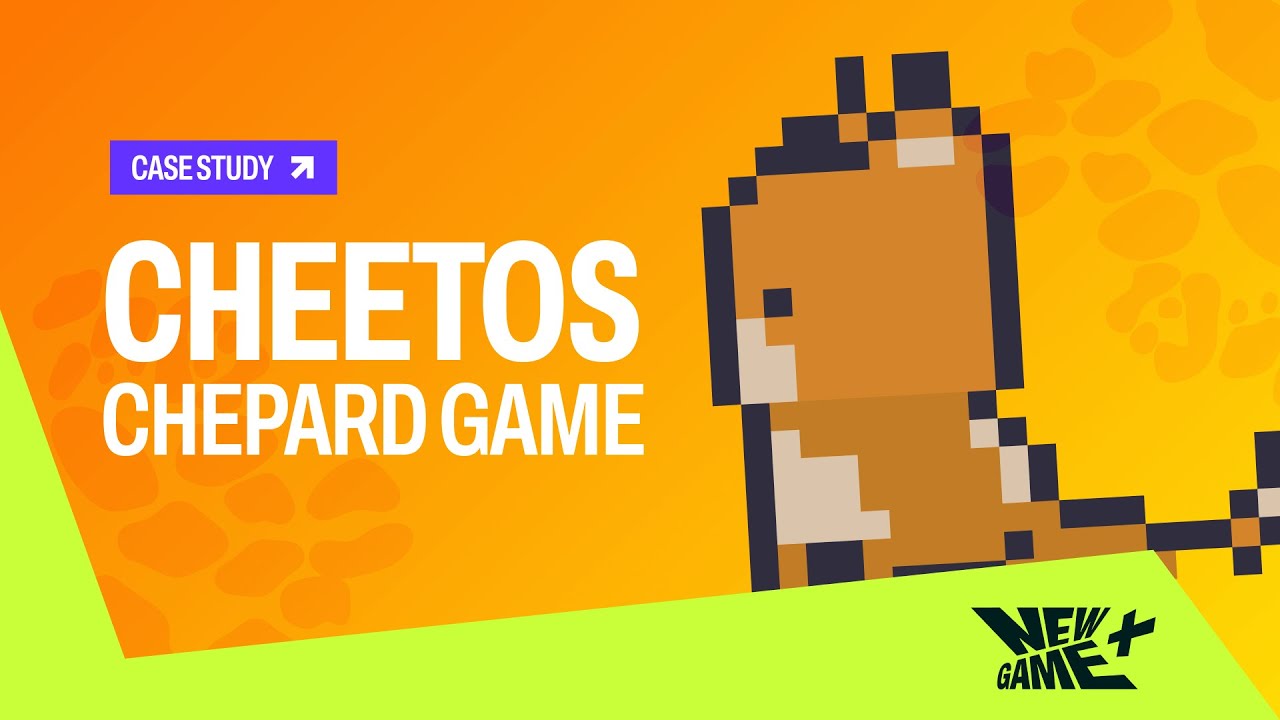
Cheetos launched the “Cheetos Chepard Game” campaign using Twitch to create engaging viewer interaction. The brand introduced a virtual pet, “Chepard,” which viewers could care for by entering commands in the chat. The campaign generated over 50,000 interactions and achieved over 3 million views.
Cheetos successfully built an emotional connection with viewers, proving that well-designed gaming campaigns can engage even those resistant to traditional advertising.
T-Mobile: “The Fastest Network” Phrase Triggered 10,000+ Times
T-Mobile also tapped into alternative marketing through livestreaming. Their campaign used voice recognition technology, triggering branded animations when streamers said the phrase “The Fastest Network.”
As a result, this phrase became the most frequently spoken on Polish gaming streams in Q4 2024 (over 10,000 times). The campaign led to an 11-point increase in brand awareness and a 16-point boost in brand affinity.
Danone: “Small Hunger” in Fortnite
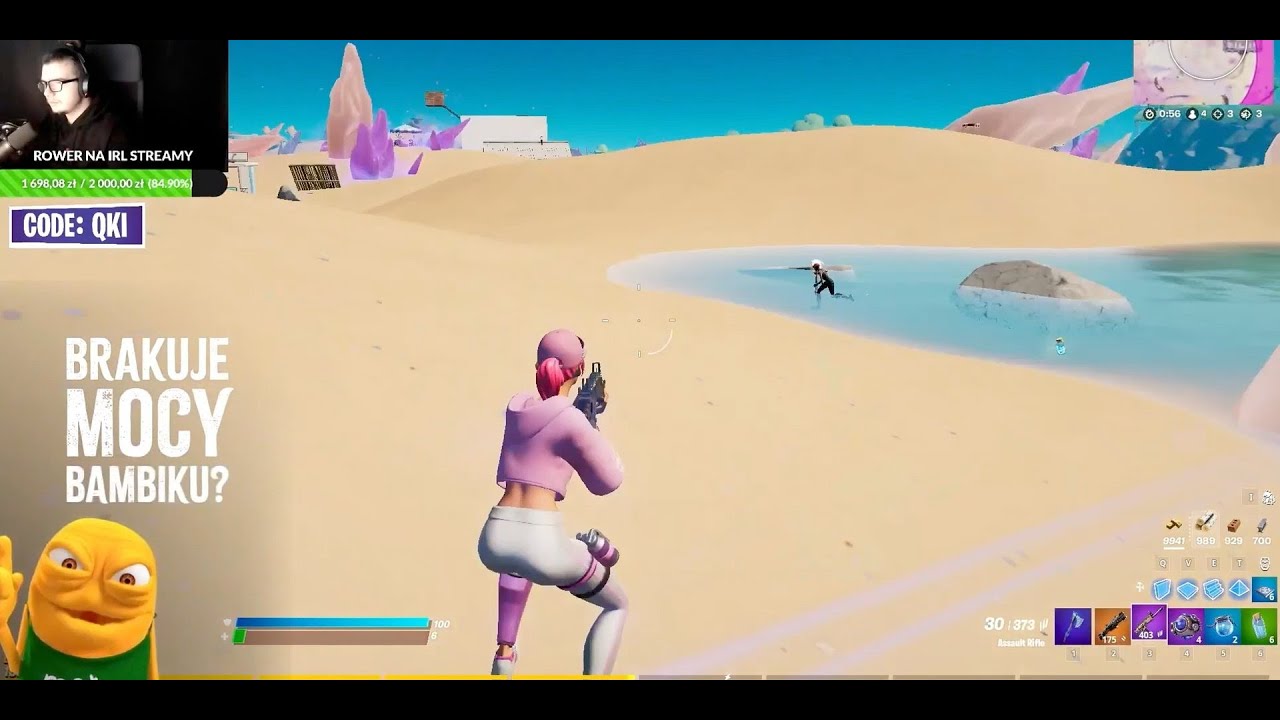
Danone creatively joined the Fortnite experience using its character “Small Hunger.” The campaign responded to players’ in-game energy drops by displaying timely branded messages. With AI-driven contextual triggers, the ads appeared seamlessly within gameplay and were perceived as a natural part of the game.
The campaign reached 650,000 views, with highly positive community reactions.
Alternative Channels as the Future of 360° Marketing
These examples prove that gaming isn’t just effective — it’s highly engaging. Alternative channels allow for natural attention retention, helping campaigns achieve higher levels of brand recall, purchase intent, and brand loyalty.
How to Effectively Implement Alternative Marketing Channels
To make a gaming campaign successful, a few key conditions must be met:
- Contextual Precision – As seen in T-Mobile and Danone’s cases, timing within gameplay is critical.
- Interactivity – Like in Cheetos’ campaign, user interaction generates positive emotions and boosts impact.
- Authenticity – Gamers are sensitive to forced or artificial messaging. Campaigns must feel native to the gaming experience to be effective.
Conclusion
Alternative marketing channels — especially gaming — are becoming vital elements of a comprehensive 360° strategy. The Cheetos, T-Mobile, and Danone campaigns demonstrate that gaming is a space where attention still thrives, and audiences actively engage with brand messaging.
For marketers looking to effectively reach Gen Z and future generations, gaming offers unique opportunities to capture and retain attention. If you want your brand to stand out in the attention economy, start with gaming.