Gaming Marketing
for Brands
Opportunities, Formats, and What Actually Works
Brand managers keep asking us the same three questions: How do I stop spending more for less attention? How do I reach Gen Z when they do not watch TV and block my ads? How do I enter gaming without a campaign nobody remembers?
Surprisingly, the answer to each of these questions is the same. Gaming is where real attention still exists, but it only pays off if you stop treating it like another media channel.
Think of the guide as a map. We wanted to show you what the gaming ecosystem looks like from a brand manager's point of view, covering what options you have. And it also explains what actually works versus what burns your budget.
You'll finish this in about 20 minutes. By the end, you should know enough to brief a partner, push back on a bad proposal, or walk into your next strategy meeting with a working point of view on gaming.
Gaming is where brand attention still exists and thrives. It only pays off when you treat it as a whole culture of diverse people, not as a marketing channel.

Why your media budget delivers less attention every year
Your media budget works harder every year and returns less. The attention you're buying does not exist the way it used to.
Your ads earn less
than a glance
The IAB viewability standard counts an ad as "viewed" when 50% of the creative is on screen for a single second. That is the floor, not the ceiling. Most campaigns do not clear it meaningfully.
You are paying for contact with ads, not for attention.
Your media plan skips the most valuable audience
cable TV viewership among Americans 18-29, 2010-2023
first year streaming overtook cable in total viewing time
TV impressions in the 18-34 group since early 2020
Volume went up while recall went down
Every social feed starts to look the same. Stock layouts. Stock phrases. Stock tone. AI tools cut content production costs sharply after 2022. At the same time, branded content volume has increased, making individual posts harder to recall.
The combined effect of these three forces has one name: the attention economy. Fluent writing, clean design, and adequate reach used to be enough. They are now table stakes.
does real attention still exist?
Clients come in asking how much reach we can deliver in gaming. They should be asking what brand problem they are trying to solve. Flip that question and most of the gaming-marketing confusion disappears.

Gaming. This is where the attention went.
Scroll-based media gives brands seconds of focused attention. Gaming gives you minutes. And this attention comes from 3.42 billion people.
Who plays games in 2025? Audience breakdown
active players globally in 2024. Projected to reach 3.578 billion in 2025, equal to 61.5% of the global population
The stereotype of gaming as a teenage boys' hobby has not reflected reality for a decade. Mobile gaming has reached near-universal adoption across demographics.
Bigger than film and music combined
| Industry | Global revenue 2024 |
|---|---|
| Gaming | $187.7 billion |
| Box office (cinema) | $33.9 billion |
| Recorded music | $28.6 billion |
| Film + Music combined | ~$62.5 billion |
Where Gen Z actually puts its free time
Gen Z share of free time by activity ESA 2025
Gaming is not just the biggest category: it also commands the most time from players, and that time is self-directed, voluntary, and most importantly: lean-forward.
Viewers type, react, and shape where a stream goes in real time. Watching Twitch is a social event. Watching TV is background noise during dinner. Brand lift moves with attention quality, not airtime.
That quality difference has a direct commercial consequence. PKO Bank Polski's Fortnite activation produced 26 minutes of average time spent with the brand per session. A 26-minute brand contact does not exist in any other digital channel today.
The psychology behind why gamers remember brands differently: what does flow state mean for campaign planning.
The same hour on Twitch and on TV produces different outcomes for a brand. One is a social event with active participation. The other is background noise during dinner. Brand lift moves with attention quality, not airtime. This is why gaming campaigns often beat larger TV buys on recall and affinity even at a fraction of the spend.

Gaming is an ecosystem,
not a single channel.
A League of Legends player has no idea what is happening in Fortnite. Your media plan needs to start from that fact.
Gaming is dozens of distinct audiences. Think of it like sport. A basketball fan does not automatically care about hockey. A Fortnite player may know nothing about Stardew Valley culture. Each game has its own memes, idols, rituals, and community codes.
Inside and outside the game: two separate opportunities
Inside the game
- Custom branded worlds in Fortnite, Roblox, GTA V RP, Minecraft
- In-game ads in EA Sports FC, Roblox, mobile titles
- Branded avatar items and cosmetics on Roblox
- Rewarded and interactive in-game formats
Outside the game
- Twitch and YouTube Gaming streams
- Gaming content creators on TikTok, YouTube, Instagram
- Discord communities
- Esports events and sponsorships
- Gaming-native media and content sites
What a single campaign actually delivers in gaming
Gamers recognize interruption ads instantly. Two-thirds run ad blockers. The rest tune out on reflex.
One-off spend does not build context. Brand presence in gaming compounds across touchpoints and time. Single flights produce only single-digit lift.
The best results come from combinations. A custom world plus streamers plus community coordination outperforms the sum of its parts. One of our Fortnite activations worked because 1,625 streamers played on its maps simultaneously. That generated 79 million impressions through their audiences inside the same campaign window.
The worst question a client can open a brief with is "which game should we be in." That is the last question, not the first. Start from the business goal. Then the audience. Then the role the brand can play. The game comes after all three. Ask it first and you end up sponsoring something random because it felt safe.
Why gamers accept some brands and ignore others
Gamers reward brands that add something to their experience. They ignore or mock brands that interrupt without adding value. Brand-context fit is the variable that most consistently separates campaigns that move brand metrics from those that do not.
Viewers actively participate
Viewers decide what gets repeated, what gets reacted to, and where the streamer goes. A Twitch session runs on active participation from everyone in the chat.
This is why in-stream formats that become part of the entertainment work so well. Cheetos placed a virtual cheetah called Chepard inside Twitch stream overlays. Viewers fed, bathed, and taught it tricks using chat commands. The overlay ran on 220 streams at the same time.
How to get rejected within an hour of launch
Cynicism toward brands is a defense mechanism in gaming, not a posture. Brands that try to "sound like gamers" without being part of the culture get ridiculed within an hour of launch. Brands that port TV creative into Twitch get blocked or muted.
Peer-reviewed research confirms what any gamer already knows: authenticity and brand-context fit are the primary mediators between gaming exposure and brand equity. Brand-context fit measures how well a brand's presence matches the game and community where it appears. Get it right and social proof compounds fast.
Which role fits your brand in the gaming ecosystem?
Before picking a format, decide what role your brand can genuinely play in gaming culture. There are four options. Each demands a different approach, a different type of activation, and a different relationship with the audience.
Marketers apply influencer-marketing logic to streamers and get burned. A lifestyle influencer sells reach. A streamer sells a community's trust. The difference is the difference between a billboard and a membership card. When you pay a streamer, you are borrowing access to a relationship they spent years building. Treat it accordingly.

The gaming marketing toolkit
Gaming is not a single channel. It is a layered ecosystem: live streams, game worlds, creator communities, loyalty programs, each with its own audience, context, and rules for how brands are supposed to behave. As covered earlier, campaigns that treat gaming as one touchpoint consistently underperform against those that combine several. Below are the formats available to brands in this space. The ones that move real metrics are rarely built around a single pick. They are built around a goal, then matched to the right combination of formats to reach it.
Ten shifts shaping how brands approach gaming campaigns right now, from measurement to creator-led distribution.
Live stream advertising
Every live gaming stream is a social event with active chat participation. Contextual formats enter the stream as part of what is happening on screen, not as a banner beside it. Because the ad lives inside the broadcast, ad blockers do not reach it.
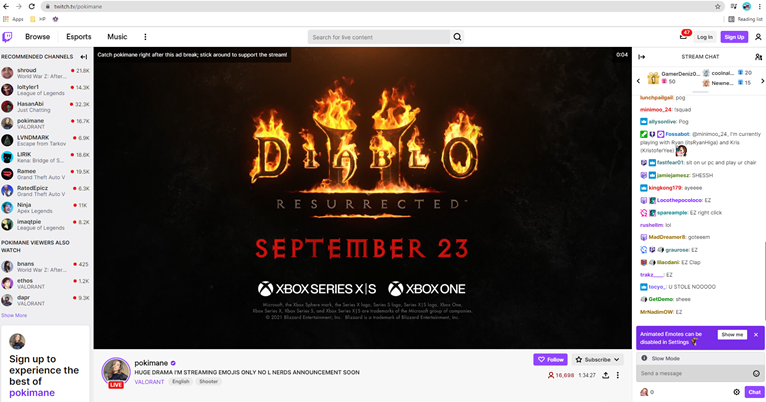 Twitch AdvertisingPre-roll and mid-roll video ads served across live gaming streams on Twitch. Delivered before a stream starts, during a scheduled break, or after a broadcast ends. Standard video formats, billed on CPM. A large share of gaming audiences uses ad-blocking software - and many of these blockers apply to Twitch pre-rolls and mid-rolls as well, which reduces actual delivery.
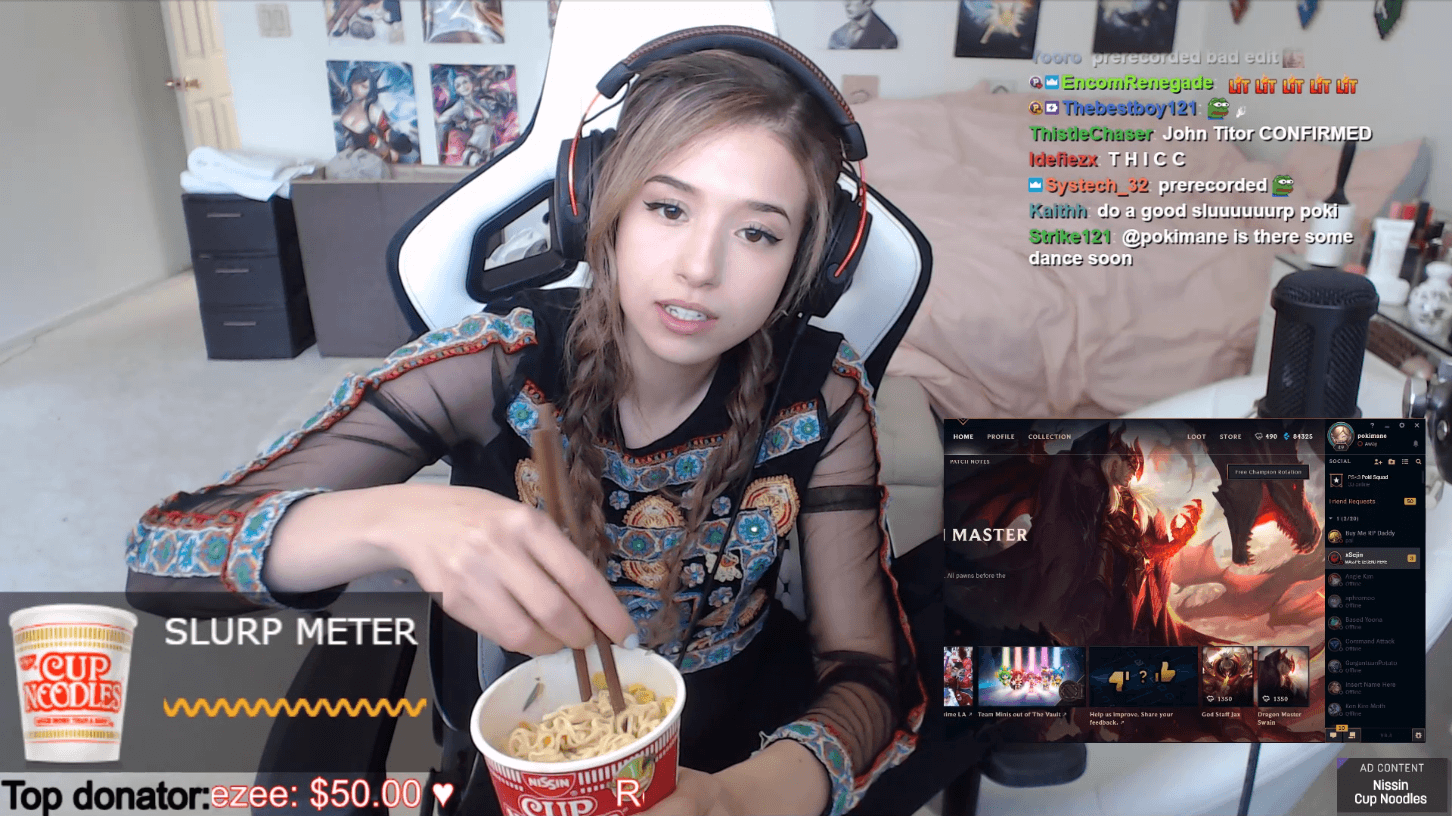 Streamer SponsorshipA direct commercial arrangement with a streamer. Your brand appears via overlay banners, verbal shoutouts, or dedicated segments during a live broadcast. Most often paired with a discount code: the streamer earns a commission on every sale through their referral link, creating a lasting incentive to keep promoting the brand beyond the contracted broadcast window.
- inStreamlyContextual display campaigns delivered inside live gaming streams across 15,000 streamers in 29 markets. Branded artwork appears as part of the broadcast, so ad blockers cannot reach it. inStreamly supports a wide range of contextual formats: triggered by what happens on stream, on screen, or in chat. The brand enters the moment instead of interrupting it.
- Voice Recognition TriggersAI listens to the stream audio and triggers a branded animation the moment the streamer says a specific word or phrase. No manual setup per broadcast. The brand appears exactly when it was meant to, tied to what the streamer actually said, not just a time slot.
- Game Recognition TriggersAI identifies which game is being played on stream and triggers branded overlays or animations tied to in-game events. A kill, a level-up, a match start. The brand reacts to what is happening in the game, not just a clock.
- Interactive In-stream Brand GameViewers influence what happens on screen through chat commands or other interactive mechanics. What the streamer does, what appears in the overlay, how the game state evolves: all of it responds to what the audience does together. The brand becomes part of the entertainment. Viewers often stay through commercial breaks specifically to keep playing.
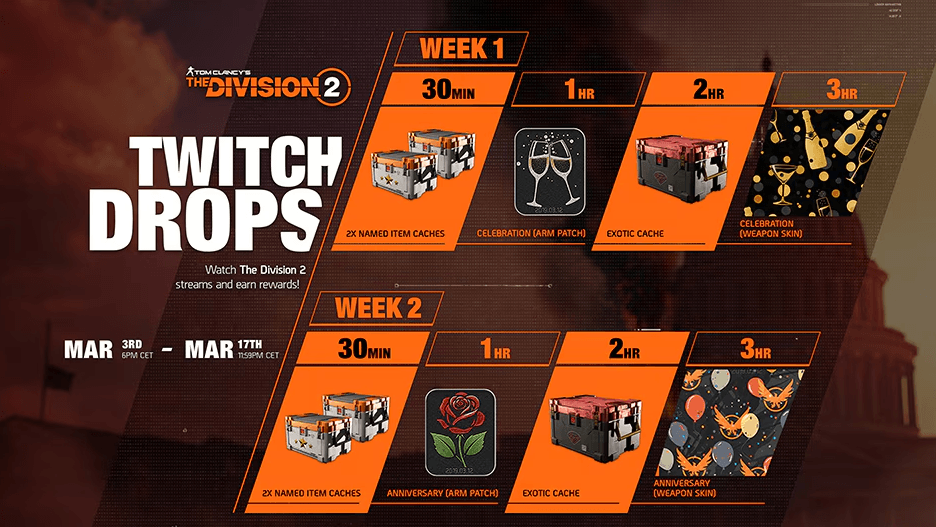 Twitch DropsAn official Twitch mechanic that rewards viewers with in-game items for watching streams of a specific title. Viewers stay in the broadcast to accumulate watch time and unlock rewards. Twitch Drops are exclusive to games. The reward must be content tied to the game being streamed.
- Viewer reward program: inStreamly LootA viewer reward mechanic similar to Twitch Drops, but open to any brand, not only games. Viewers earn discount codes, brand vouchers, or product rewards by watching streams featuring your brand. Watch time is tracked directly. No game or publisher partnership required.
T-Mobile: The Fastest Network
T-Mobile needed to reach Polish gamers who actively block ads. 66% of their target audience had ad blockers installed. The brief was to turn a product claim into a cultural touchpoint without placing a single pre-roll beside the stream.
An AI system monitored stream audio in real time. Every time a streamer naturally said "the fastest network," a T-Mobile animation triggered on screen. The phrase became the most frequently spoken in Polish gaming streams that quarter. Viewers started requesting streamers say it. The campaign flipped from ad avoidance to ad demand.
Read full case study ->In-game placements
Players inside a game are in a different mental state than viewers watching a stream. They make decisions, direct their own path, and control the pace of the experience. In-game placements reach them in that state, which is why session times, recall rates, and conversion numbers all look different from stream-based formats.
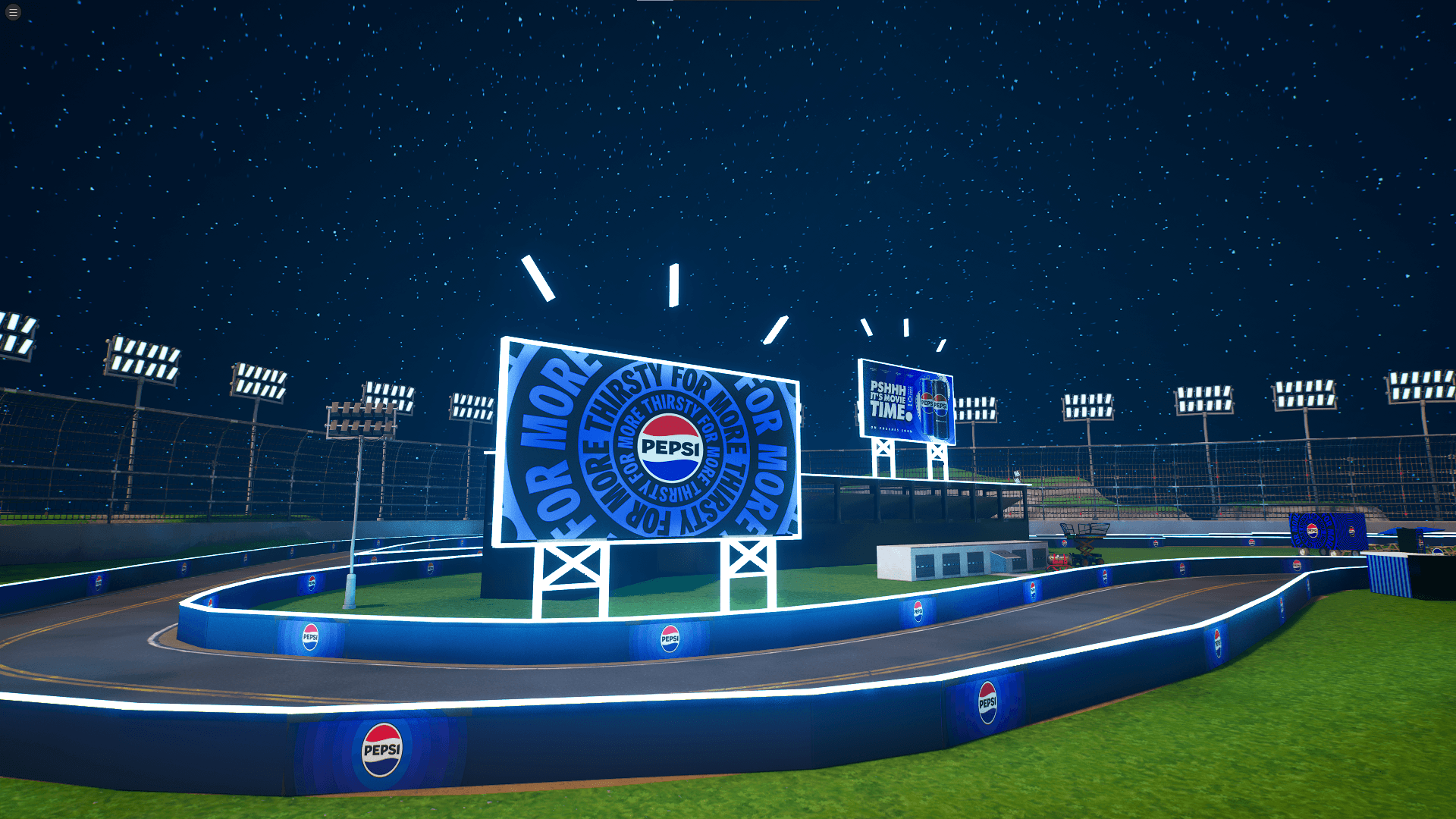 Branded World in FortniteA branded map built inside Fortnite Creative. Players enter on their own terms and explore your brand's story at their own pace. Average session time: 20-26 minutes per visit.Read the guide ->Related Insight
What separates Fortnite maps that hold players from those that empty out in the first minute.
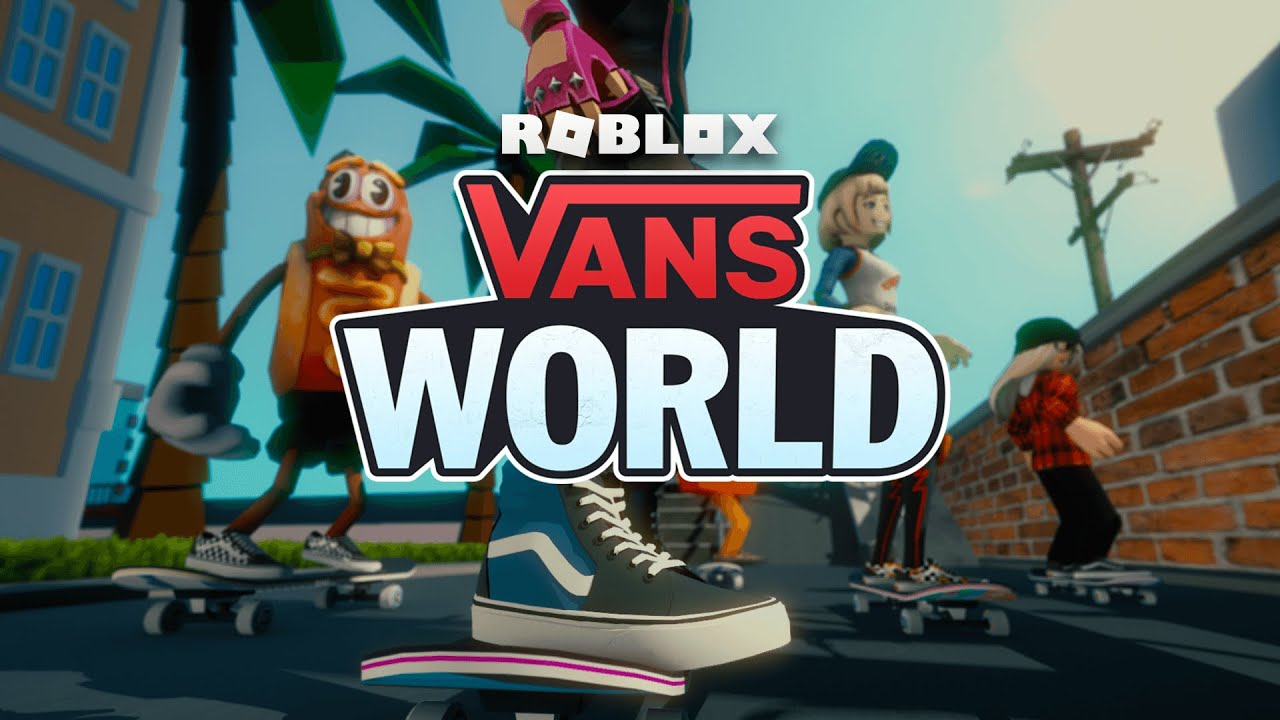 Branded Video Game in RobloxA full branded game built on Roblox. Not a custom map, but a complete playable experience with mechanics, goals, and a brand story built into the gameplay. Roblox has 88 million daily active users, average age 17, average session time 156 minutes. Reaches audiences who do not watch TV and cannot be reached through standard ad formats.
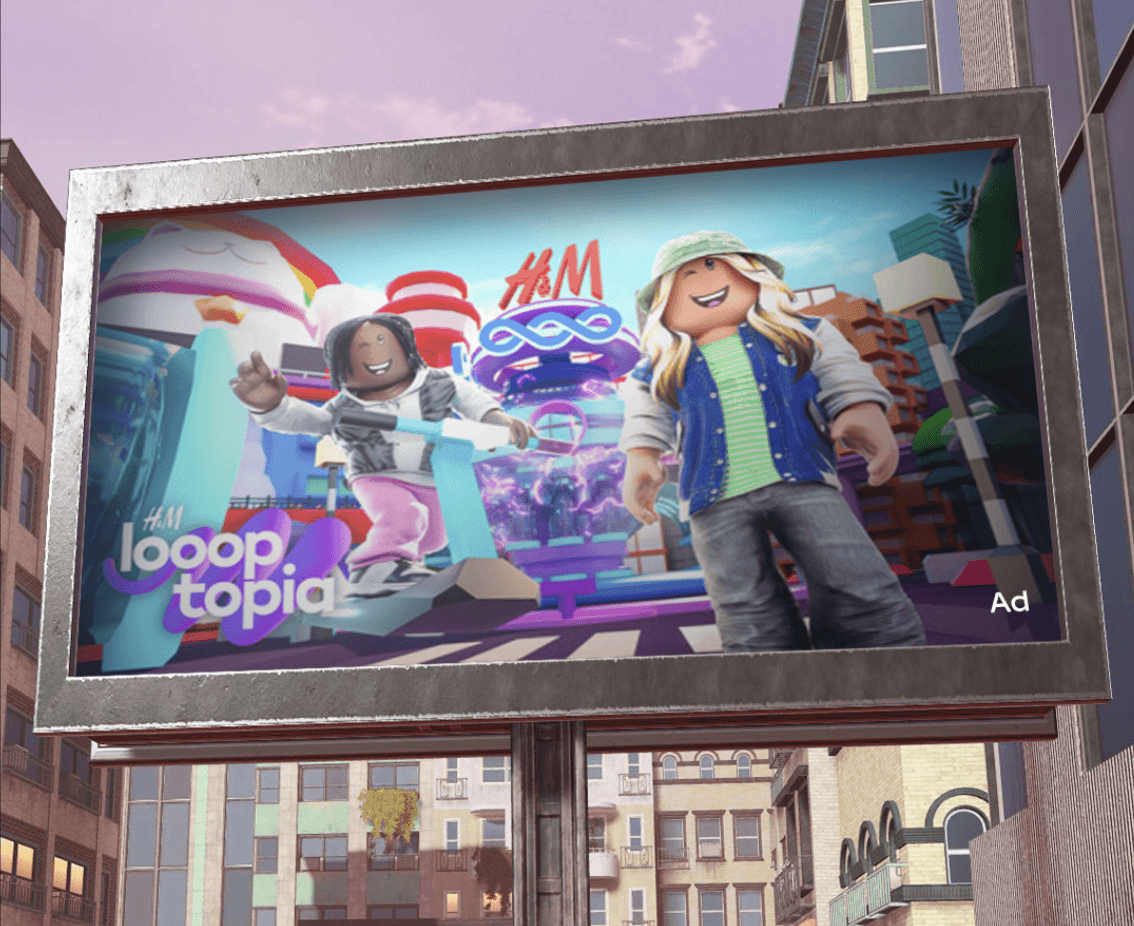 Roblox In-Game BillboardsDisplay placements on in-game billboard surfaces inside Roblox experiences. Reaches players inside games they are already spending time in, without requiring a dedicated branded world. Available across multiple high-traffic Roblox titles.
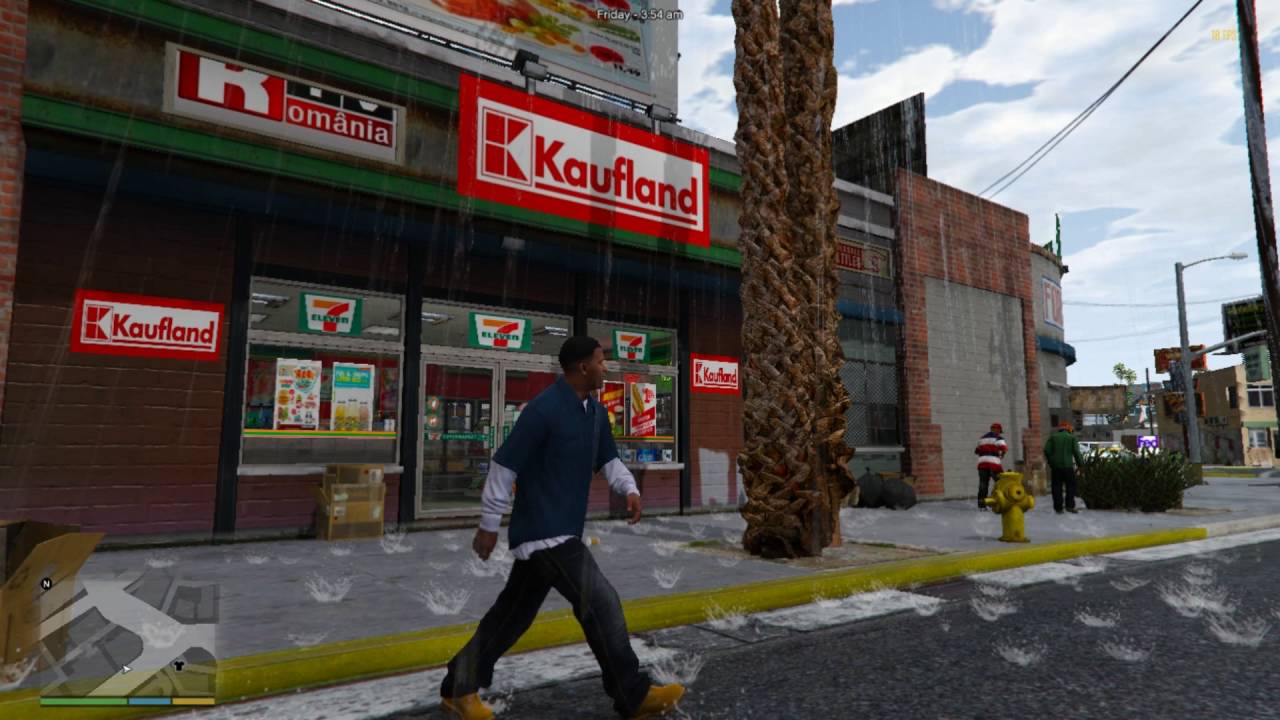 Custom branded world in GTA V RPGTA V RP servers host persistent branded environments with NPCs, missions, and custom gameplay mechanics. Long session times and strong community attachment among 18-34 year-olds.
 Overwolf In-Game AdvertisingOverwolf is a software platform that runs as an overlay on top of PC games, used by players to access in-game apps such as stat trackers, guides, and chat tools while playing. Video and display ads delivered through Overwolf during active gameplay across 1,500+ PC titles. 2.2 million monthly active users. 90% viewability rate. 85% video completion rate. 90% of the audience is aged 16-24.
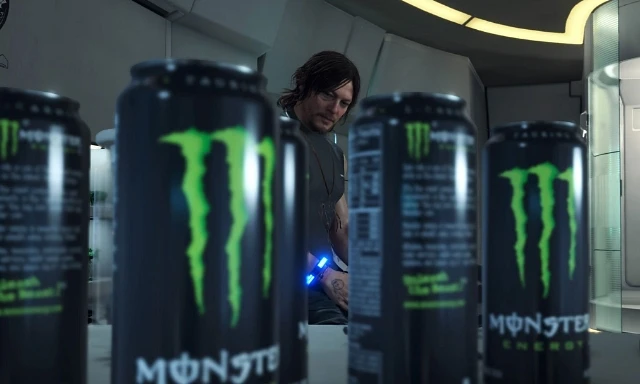 Custom Branded Game ModificationsDownloadable modifications that add branded content to existing games. Mods are free, built for players, and carry the brand as part of the experience. Minecraft, GTA, and Skyrim have large modding communities, but practically any game can be modded. Gaming influencers actively look for popular mods to play on stream, which gives branded mods a secondary reach layer beyond the direct download count.
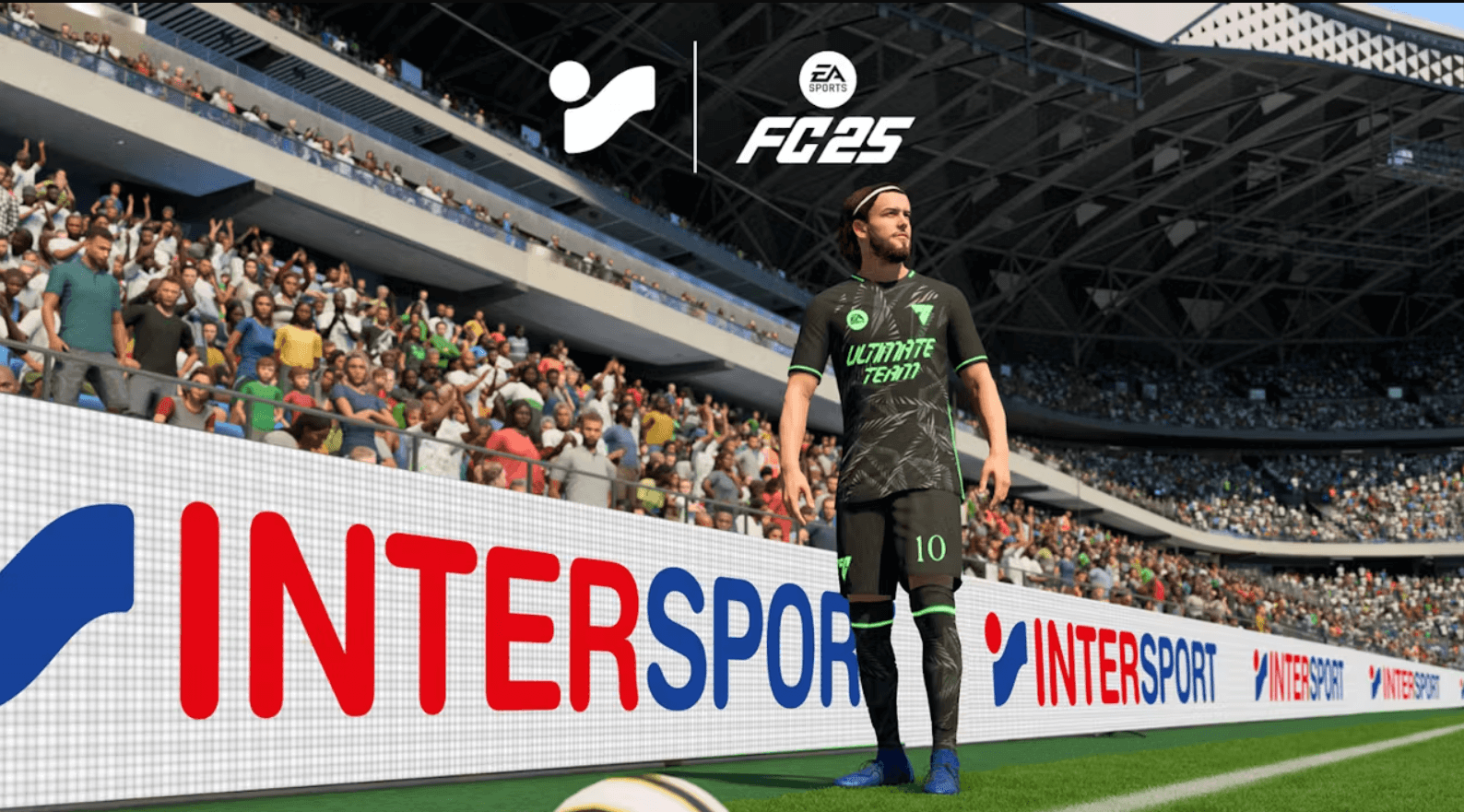 Stadium Advertising in Sports GamesYour brand appears on pitch-side advertising boards during matches, replays, and goal celebrations in EA Sports FC and similar titles. Real football stadiums carry pitch-side ads, so players expect to see them. The ads actually add authenticity rather than breaking it. A single setup reaches 1.5 million unique players monthly across PlayStation, Xbox, and PC.
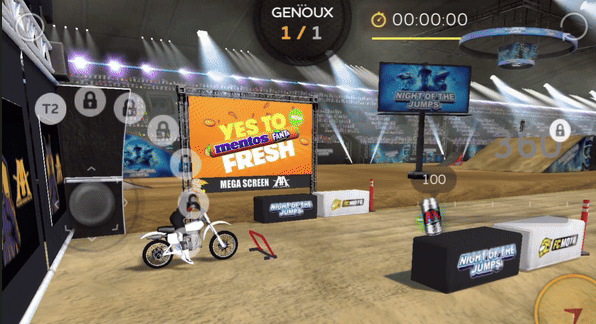 In-Game AdvertisingBillboards, posters, and banner surfaces that exist inside game worlds already: on city streets, arenas, building facades, and loading bays. Developers used to fill these with fictional brands to make the world feel lived-in. Today, real brands can take those placements. The ad fits because the surface was always there. Players read it as part of the environment, not as an interruption of it.
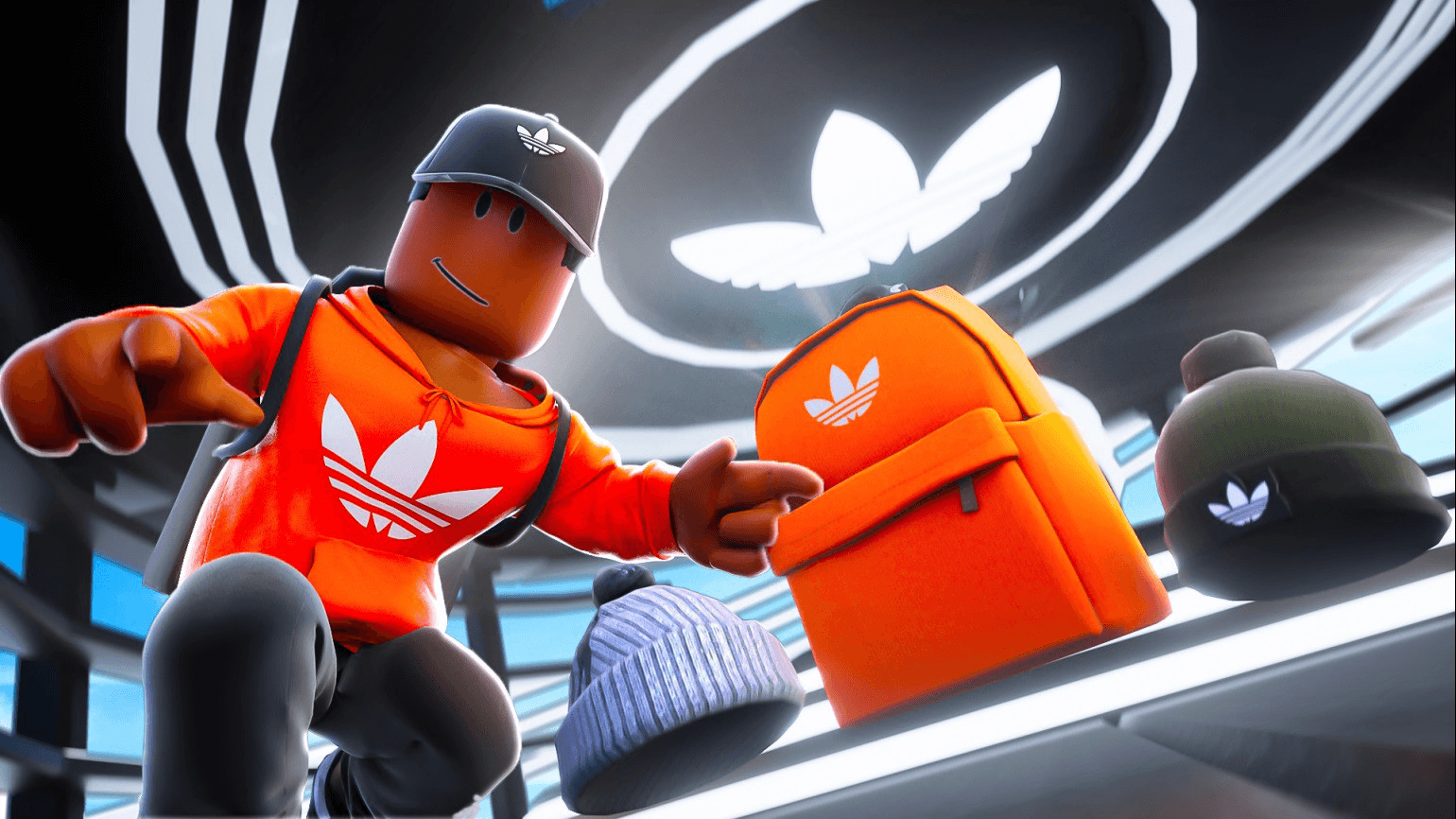 Branded In-Game CosmeticsClothing, accessories, and cosmetic items that players equip and wear across games. From Roblox avatar items to skins in Fortnite, cosmetics are how players express identity in-game. Items persist in player inventories and travel across game sessions. 64% of Gen Z say wearing a brand's virtual items makes them more likely to consider that brand for a physical purchase.
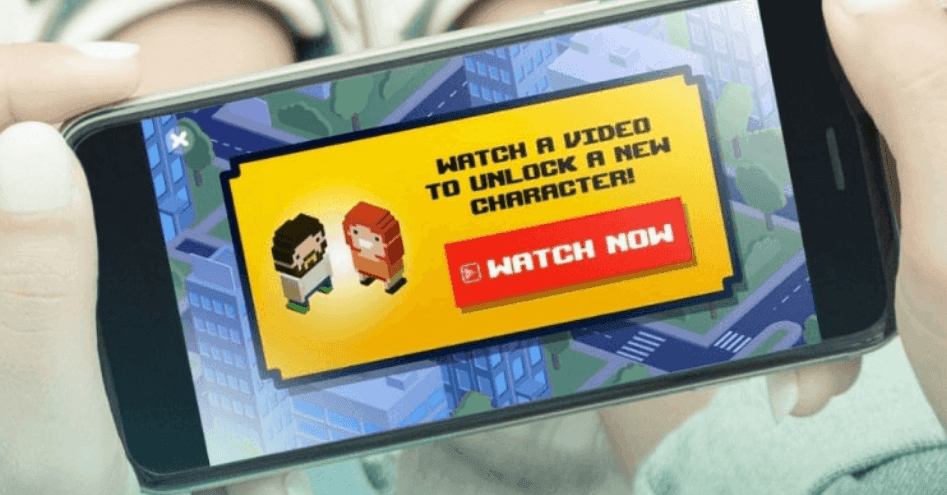 Rewarded ads in mobile gamesPlayers choose to watch your ad in exchange for an in-game reward. 78% of players prefer this format over standard pre-roll. Opt-in attention behaves differently from interrupted attention.
 Interactive 3D brand world on your websiteUsers walk through, discover products, and buy inside a navigable 3D environment on your own domain. Shopify integration, AR support, and multiplayer options available.
How in-game product placement works across different titles, and when it earns player appreciation rather than backlash.
PKO Bank Polski: Fortnite Branch
PKO is Poland's largest bank. Banks are structurally difficult to make relevant for people under 25. Only 28 out of 1,000 standard ad impressions successfully reach 13-17 year-olds. Instead of competing for those 28, PKO built a Fortnite Tycoon map where players opened virtual accounts, managed plots, and ran businesses. Financial concepts came through actual gameplay.
The map ran across three seasons. Each season was built on behavioral data from the last. Season 1 produced novelty-driven awareness. Season 3 produced a brand perception shift that had not existed before the campaign started. That progression only happens when a brand treats gaming as infrastructure, not as a media buy.
Read full case study ->Brand presence and community
Community formats work on a different timeline than campaigns. A Discord server produces a platform, not a spike. Loyalty programs keep players connected to your brand when no campaign is running. Both are infrastructure. The kind that makes the next campaign work better than the last.
One brand built Poland's first creator school: a Discord server where 3,100 young creators joined to learn from ambassadors with genuine careers. The platform generated 71 million views organically, reached 70% of Polish Gen Z, and contributed to a 33% increase in brand sales among 16-24 year-olds. Discord was not a touchpoint. It was the center of gravity.
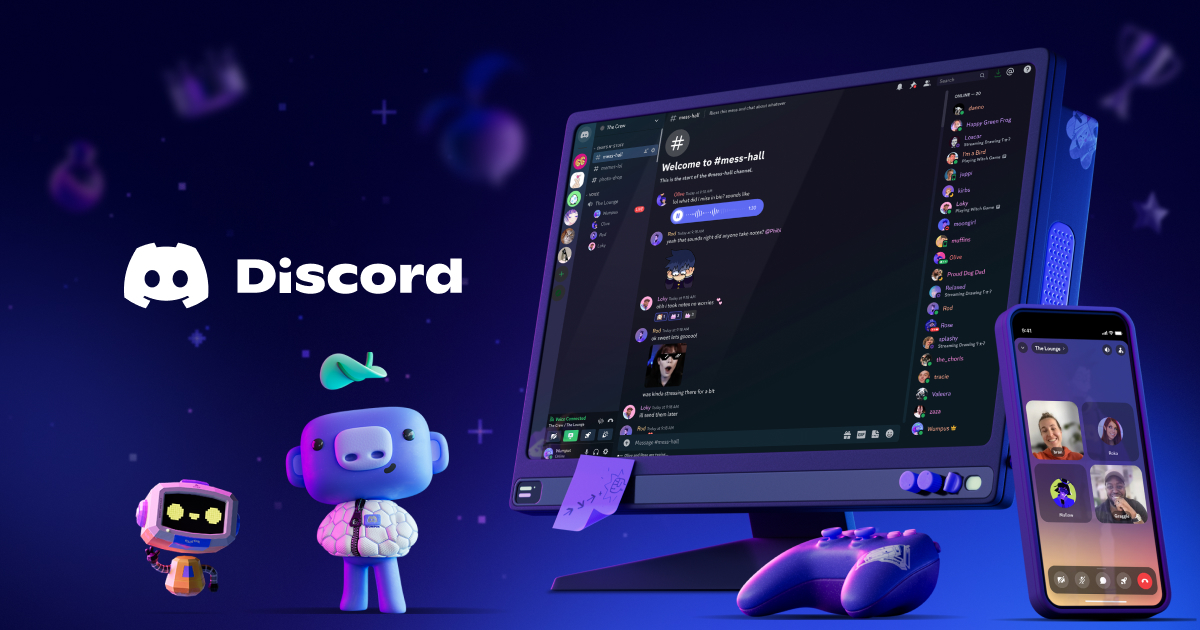 Discord CommunityA direct channel between your brand and engaged gamers, active between campaign windows. Works as a hub for contests, creator coordination, and ongoing community management.
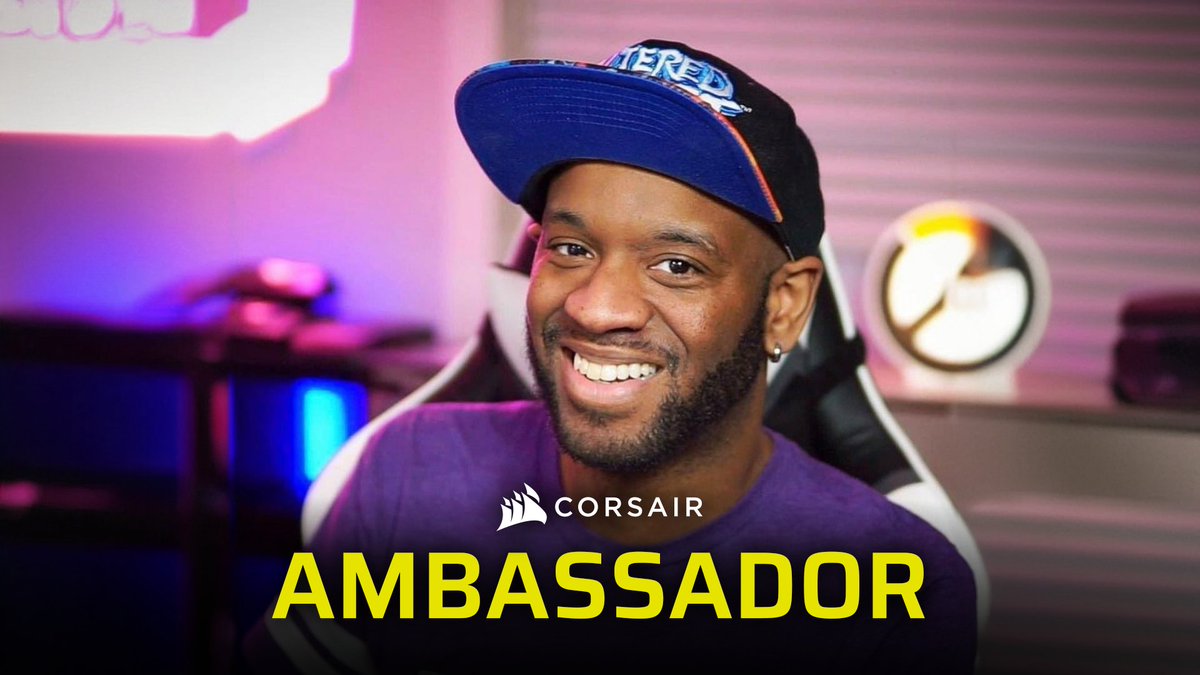 Long-term gaming ambassador programRecruit, onboard, and manage a community of streamers with asset distribution, performance tracking, and reporting running through one platform. Credibility builds month over month from consistent presence.
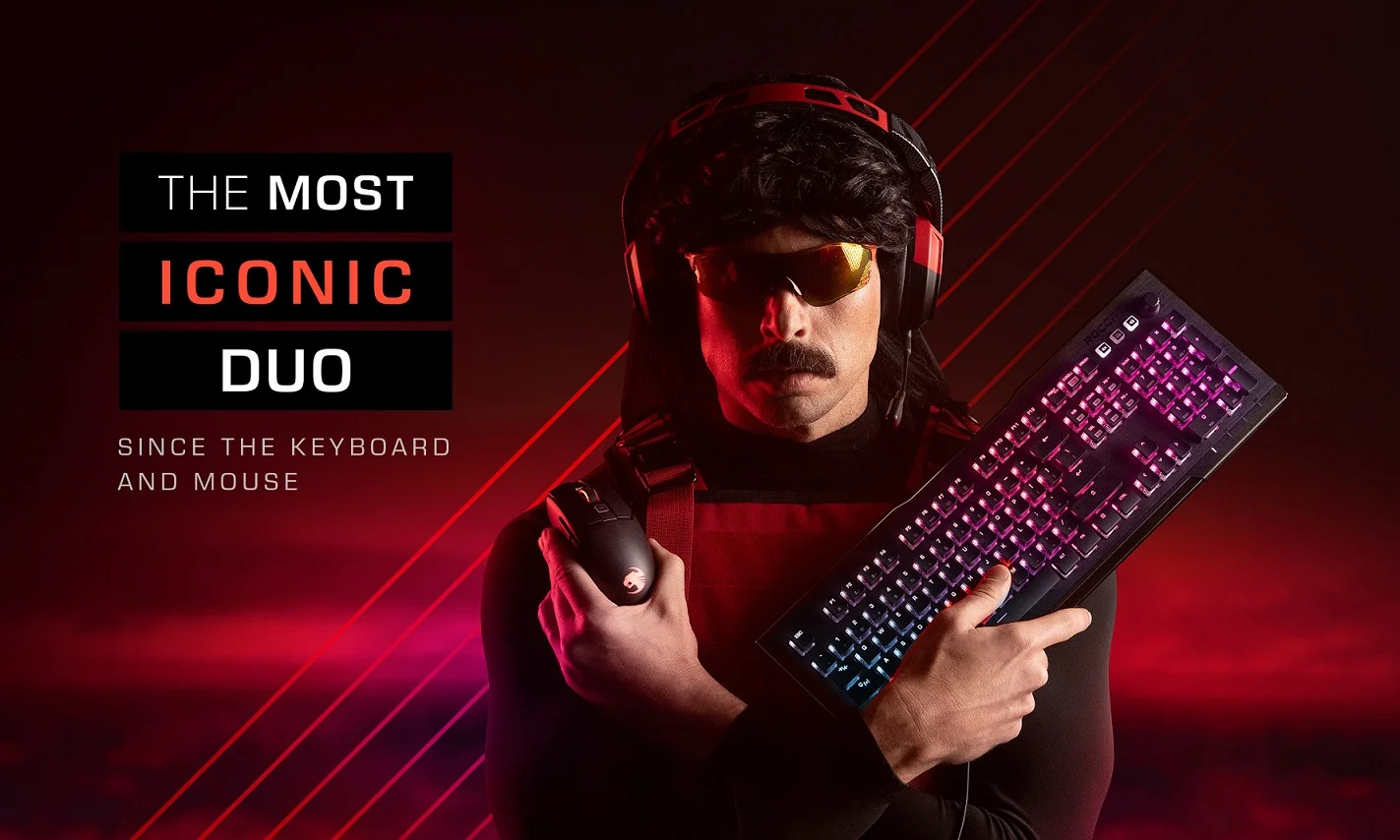 Editorial content series with gaming creatorsMulti-month collaborations that go deeper than one-off sponsorships. The brand becomes part of a creator's regular content, not just a sponsored segment in a single video.
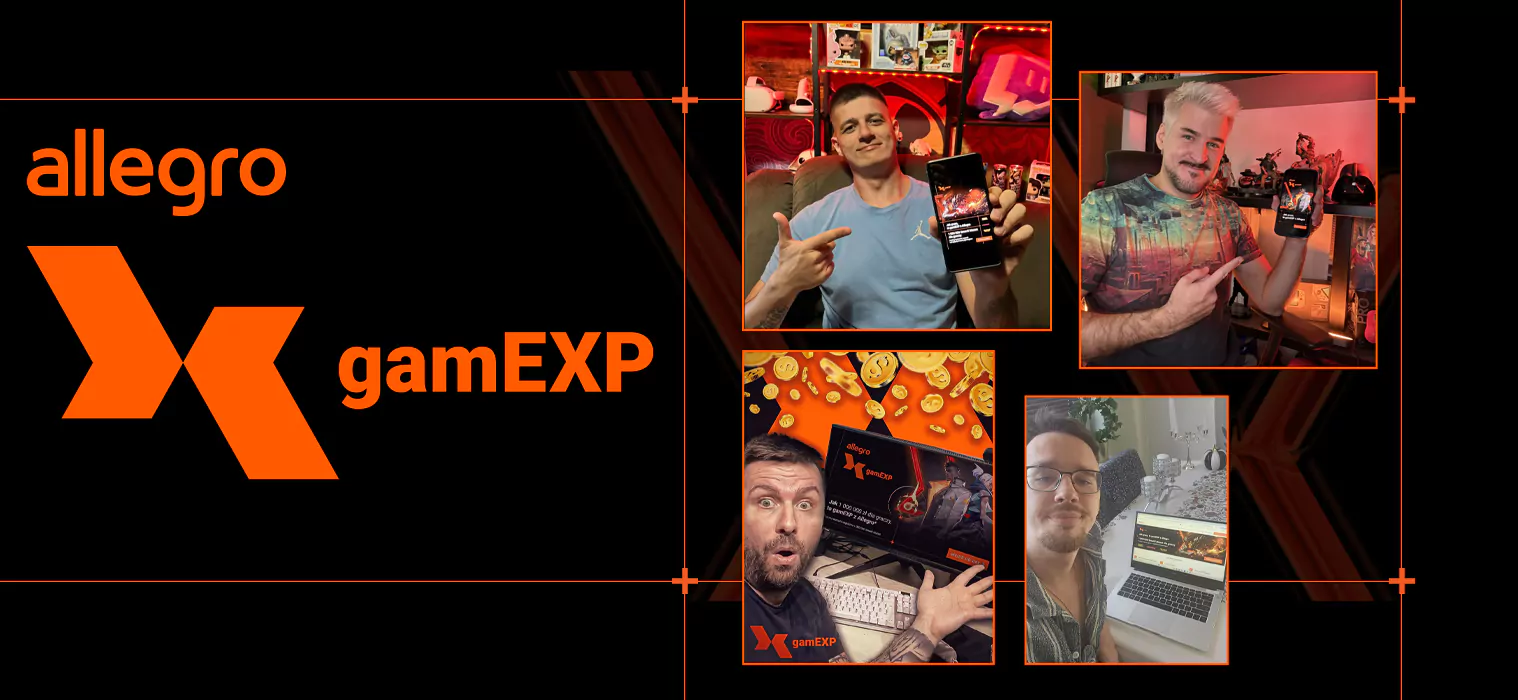 Gaming Loyalty ProgramPlayers earn a custom brand currency by completing gaming tasks and redeem it in your store. The mechanic keeps players connected to the brand between campaign windows. The currency stays consistent across games and platforms, but the tasks evolve.
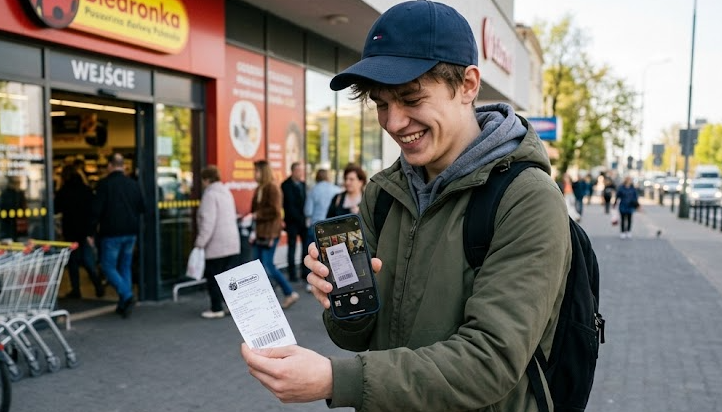 Receipt-triggered in-game rewardA consumer buys your product, submits a receipt, and receives an in-game item or discount immediately. Fully automated. Closes the loop between the physical shelf and the game.
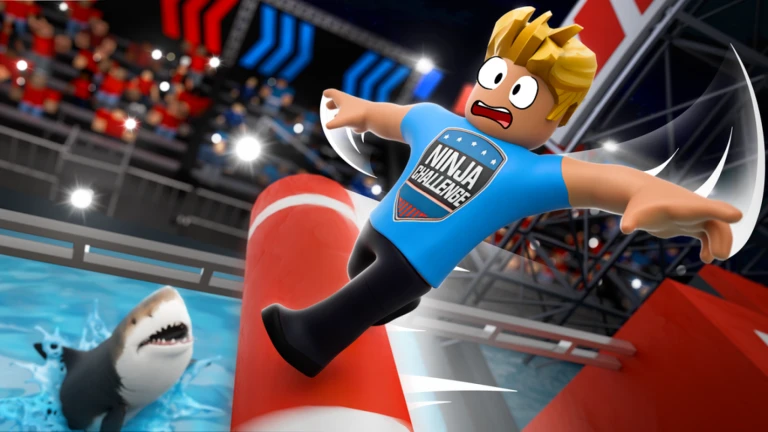 Mission-based brand challenges in RobloxPlayers complete defined tasks to earn rewards. Drives longer sessions, organic traffic through native recommendations, and measurable engagement depth. Gamers are motivated by achievement systems, and your brand challenge becomes part of that satisfaction loop, sitting alongside the player's core goals rather than interrupting them.
- Gaming Browser StartpageBrand placement on the Opera GX start page (the browser built for gamers), with over 25 million users. Your brand appears before gamers open their first tab, every session. Display and sponsored content formats available.
Allegro: gamEXP
Allegro is Central and Eastern Europe's largest e-commerce platform. The brief was to make Allegro matter to gamers as a brand, beyond the transactional relationship of a marketplace. The activation needed to fit naturally into gaming culture.
A native app automatically tracked in-game challenge progress across League of Legends, Valorant, and Teamfight Tactics, in official partnership with Riot Games. Players earned real Allegro SmartCoins for gaming achievements. Viewers earned them just for watching streamers they already followed. Top streamers became genuine ambassadors. One veteran streamer called it "the best viewer-focused activation of my entire career."
Read full case study ->Gaming creators and influencers
Gen Z trusts gaming creators more than celebrities. A 2025 meta-analysis in the Journal of the Academy of Marketing Science reviewed 100+ studies and found higher perceived similarity, higher identification, and higher trust with creators compared to celebrities. The selection logic matters more than the budget. A creator in the wrong game or the wrong community produces a different result than the same spend in the right one.
How to brief gaming creators, which collaboration models produce measurable results, and how to measure what matters.
 Sponsored Content on Twitch, YouTube, and TikTokSponsored content, dedicated videos, and product integrations delivered through gaming creators. Formats include in-stream brand mentions, dedicated review videos, gameplay integrations, and social posts. Coverage from a single creator or a coordinated multi-creator push across platforms.
- Dedicated Livestream SessionA branded live event built around a specific moment: a challenge, a head-to-head tournament, a product reveal, or a sponsored gameplay session. The streamer's audience watches the brand become part of the action in real time. Billed on actual watched hours, not estimated reach.
- Creator Development ProgramA structured program where a brand gives aspiring creators the tools, mentorship, and access to develop their channel. The format works for any content vertical where the brand has genuine relevance, not only gaming. Experienced creators teach on-camera presence, content structure, and audience building. The brand becomes part of where careers begin.
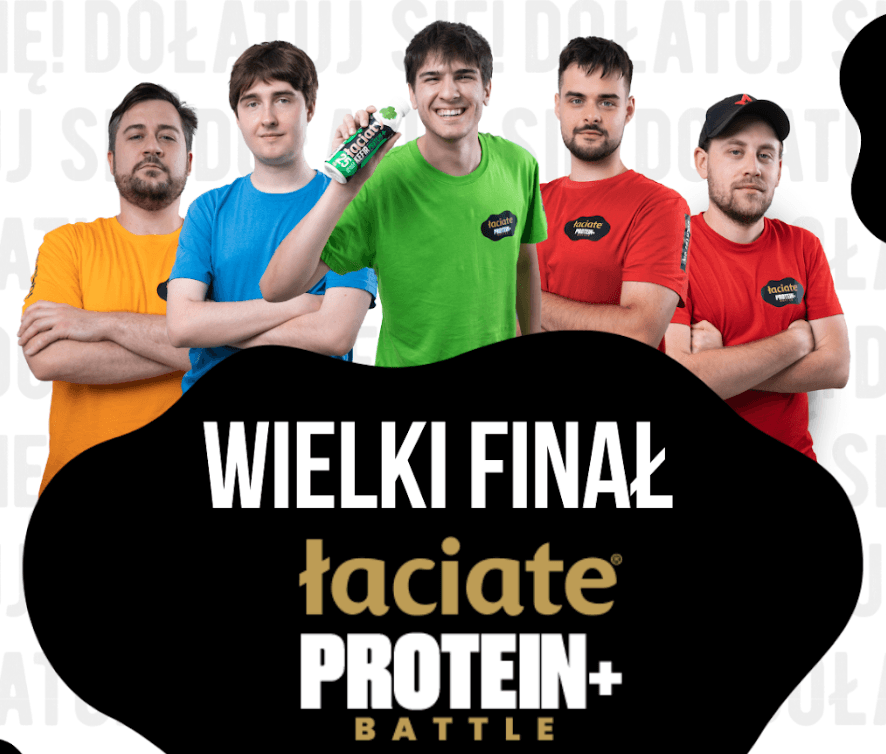 Branded Esports EventA branded tournament or live esports broadcast. Produced end to end, from format design to broadcast execution. The brand owns the event, not just a logo on the stream. Formats include open tournaments, invitational showmatches, and creator vs. creator competitions streamed live.
The esports sponsorship model has changed. What brands should look for now, and what to avoid.
One question answers most of the "where should we start" emails. What does good look like for this brand in six months? If the answer is "more awareness among Gen Z" start with creator campaigns and contextual streams. If the answer is "our brand feels closer to young people" start with a Discord community and a creator program. If the answer is "we want a PR moment", build something that did not exist before. The format follows from the answer.
What works and what burns budget
The biggest mistakes in gaming marketing are predictable. Most of them happen before the campaign even launches.
DO
- Start from the business goal. Decide if you need attention, credibility, performance, or long-term presence. Everything else follows.
- Treat the first campaign as the first season. Data from campaign one is the asset for campaign two.
- Match your brand's role to the context. Enabler, rewarder, co-author of fun, or mentor. Pick one and commit.
- Give gamers something real: rewards, entertainment, tools, or community.
- Measure brand lift, not reach. Reach is the weakest signal gaming produces.
- Plan a minimum two-to-three cycle horizon. Single flights under-deliver structurally.
DON'T
- Do not port your TV spot into gaming. Two seconds in, the audience knows the difference.
- Do not try to "speak gamer" if you are not one. Hire people who live in the culture.
- Do not buy "gaming" as a single media line. No such thing exists.
- Do not pick the game by traffic alone. Pick it by fit between your brand's role and that game's culture.
- Do not treat gaming creators like lifestyle influencers. Different mechanics, different KPIs, different economics.
- Do not sponsor things at random because "gamers will be there." A generic sponsorship with no brand role is money spent, not invested.
- Do not cut after one flight. Wait for at least the second cycle before judging the channel.
The dumbest thing is a good creative delivered into the wrong context. We have seen beautifully produced brand films dropped into Twitch streams as pre-rolls. Viewers muted them on reflex. The same budget can move three brand metrics when it is reframed as a contextual trigger or an interactive moment. The money was not the problem. The mental model was.

Your first move
Before you email any partner, answer three questions. Most bad gaming briefs exist because these were skipped.
What is your real goal?Attention, credibility, performance, or long-term platform. Pick one.
Who specifically do you want to reach?Name the specific game, platform, and genre. "Gamers" describes 3.4 billion people across hundreds of different communities.
What role can your brand authentically play?Enabler, rewarder, co-author, mentor. If none fit, gaming might not be ready for you yet.
How to tell if a gaming partner understands your business
- They pitch formats before understanding your business problem.
- They offer the same solution to every brief.
- They do not ask about previous campaigns or try to compound on them.
- They promise specific reach numbers but cannot commit to brand lift targets.
- They describe themselves as a "gaming agency" rather than a partner with a method.