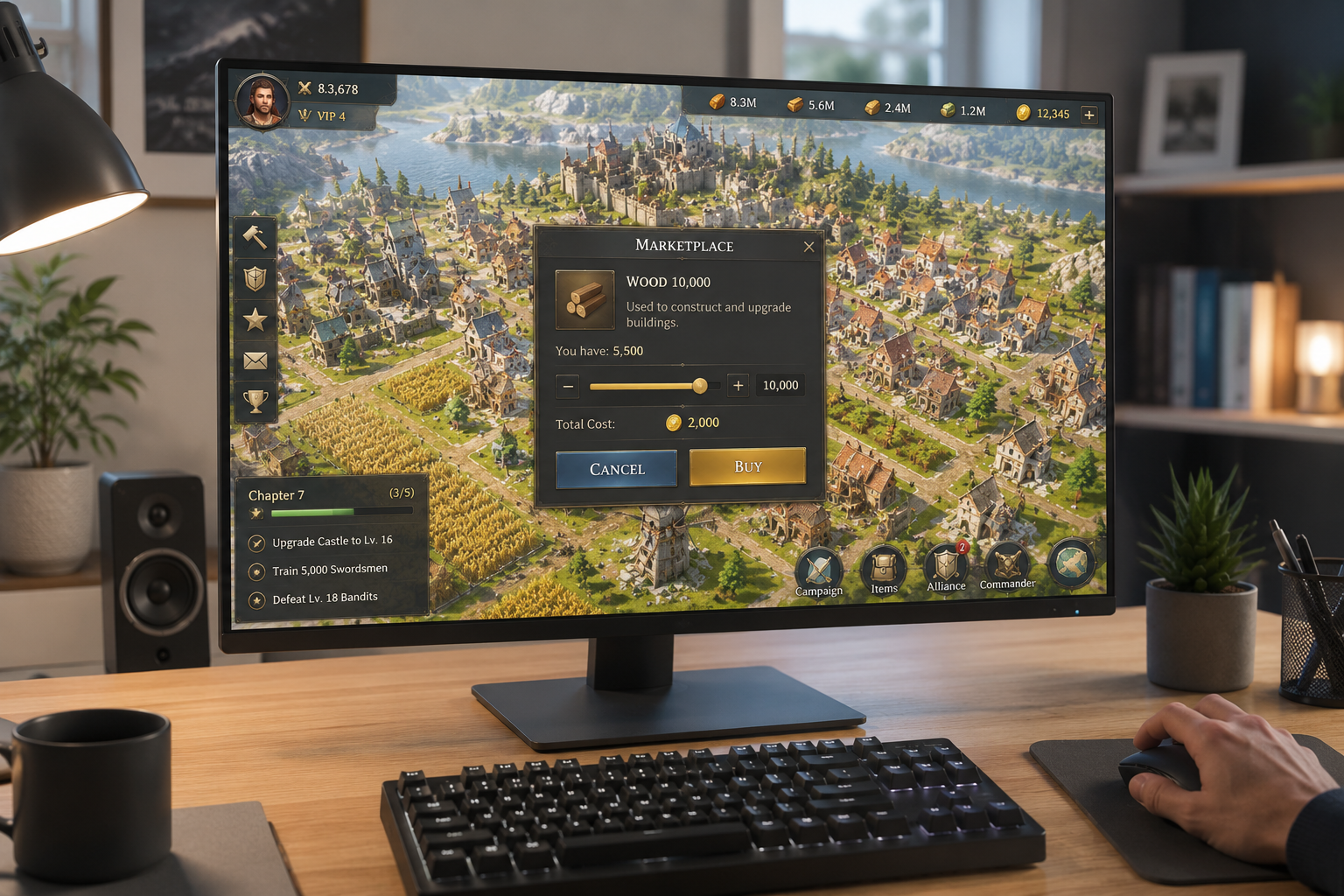



A player in World of Warcraft spots a price anomaly in the Auction House. A consumable item is selling 40% below its typical value because a competitor is dumping stock before a patch. The player buys in bulk, waits three days, and resells at a 60% margin. They've never taken an economics class. They're 22 years old. And they're doing this at 11pm because it's genuinely more interesting than anything their bank has sent them this year.
This is not a niche behavior. It is, in various forms, happening across the $197 billion global games market every day - and the financial services industry has barely noticed.
Gaming is already a financial system
The easiest way to misunderstand gaming's relationship with money is to think of in-game currency as play money. It isn't.
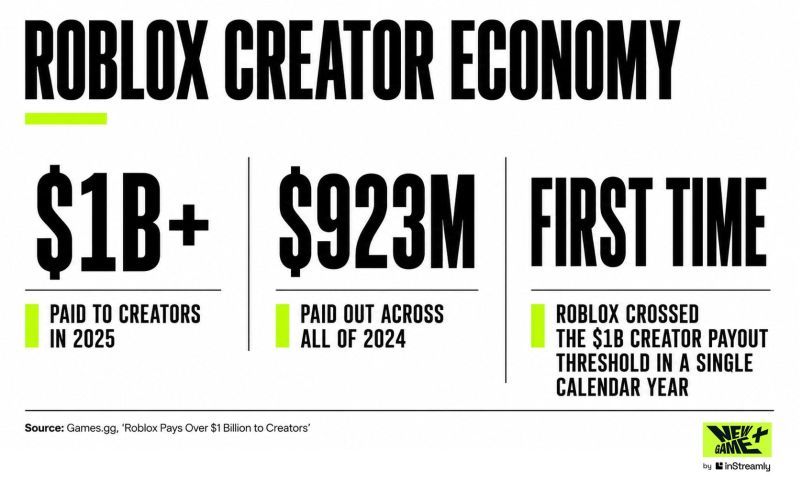
Roblox paid out over $1 billion to creators in 2025, up from $923 million in 2024, according to Tubefilter and GAM3S.GG. Those creators earn in Robux - Roblox's in-platform currency - which players purchase with real money to spend on experiences and virtual items. The flow is: real dollars in, Robux circulating through the platform economy, real dollars out to creators. One creator built a business selling virtual elf ears and earned approximately $2 million doing it. Another company, Forever 21, sold over 2 million virtual beanies directly on the platform. These are not metaphors for economic activity. They are economic activity.
Fortnite paid $352 million to creators in 2024 through its own creator economy. Mastercard has held a multi-year global partnership with Riot Games as the official sponsor of League of Legends esports since 2018, later expanding to Valorant. Santander Bank has been a title sponsor of multiple LoL circuits since 2022. Revolut became the first neobank to sponsor esports in 2024 with a partnership in CS2's BLAST Premier circuit. These are not experimental bets. They are where the industry has already arrived.
The question for a banking or fintech brand isn't whether gaming has financial relevance. The question is why most financial brands are still treating it as a novelty.
Players are already making financial decisions - they just don't call it that
Before a brand can think about what to say to gamers about money, it helps to understand what gamers already know.
Path of Exile's player-driven trading system has no official auction house. What exists instead is a community-built infrastructure: third-party price indexing sites, currency exchange rate trackers, investment frameworks built around league cycle timing. Players discuss "going long" on certain items before a meta shift, "shorting" builds before a developer patch reduces their value. The vocabulary is financial because the underlying mechanics are financial. The players running these operations often have more practical understanding of arbitrage, market timing, and supply shock dynamics than they'd pick up from a generic financial literacy campaign.
Strategy games do something similar at a more foundational level. Civilization, Anno 1800, Factorio - these games require players to manage supply chains, allocate capital between competing priorities, and plan across multiple time horizons. The economic intuitions built from hours of optimizing a production chain in Anno transfer to real resource management. Players don't recognize it as financial education because it never announced itself as such.
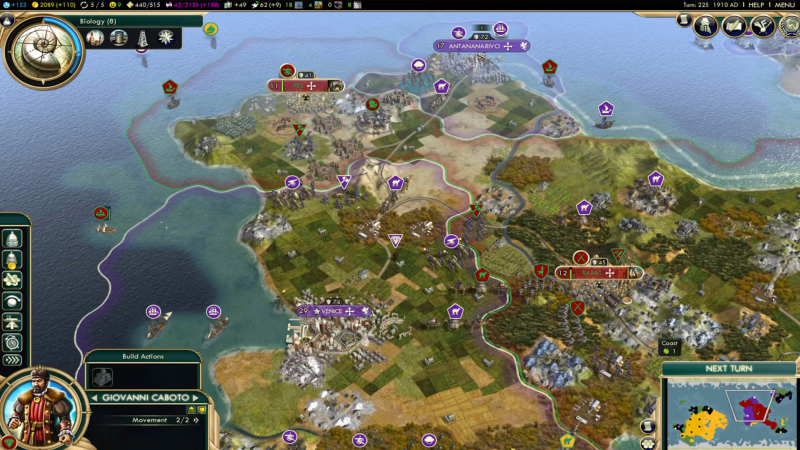
Source: https://civilization.2k.com/
Even RPG progression mechanics are exercises in capital allocation. Every skill tree decision is a trade-off with long-term consequences. Players routinely spend more analytical effort optimizing a character build than they apply to their own monthly budget. The capability is there. The connection to real financial concepts has just never been drawn explicitly.
The streaming economy adds another layer
The financial ecosystem in gaming extends beyond the games themselves.
Twitch viewers support creators through subscriptions (a recurring payment for channel access and perks), direct donations, and Bits - Twitch's platform currency purchased with real money and used to show support during streams. Channel Points, earned by watching, can be spent to influence what a streamer does on stream. The viewer's time and attention have a quantified exchange value. That's not gamification of finance - it's a functional economy running inside live entertainment.
The Allegro gamEXP campaign used this structure directly. Viewers could earn Allegro Smart! Coins by watching participating streamers - turning attention into redeemable platform currency. New Game + ran a similar mechanic for G2A, where watching streams unlocked game purchase discounts. In both cases, the campaign worked because viewers already understood the logic of earning and spending value through viewing behavior. It wasn't a new concept. It was a native extension of something they already did.
Why financial brands specifically belong here
Financial services brands often treat gaming as one channel among many. The more accurate frame is that gaming is where their youngest customers already are - and where those customers are already financially active.
Core and hardcore gamers skew 18 to 24 years old. That's the age at which people open their first current accounts, take out their first loans, make their first investment decisions, and form lasting brand preferences in financial services. These are not future customers. They are present customers making decisions now, in an environment where most financial brands are absent.
The PKO Bank Polski Fortnite campaign worked precisely because it understood this. Rather than building a separate financial education initiative, PKO placed its brand inside a gameplay environment that already required economic thinking.
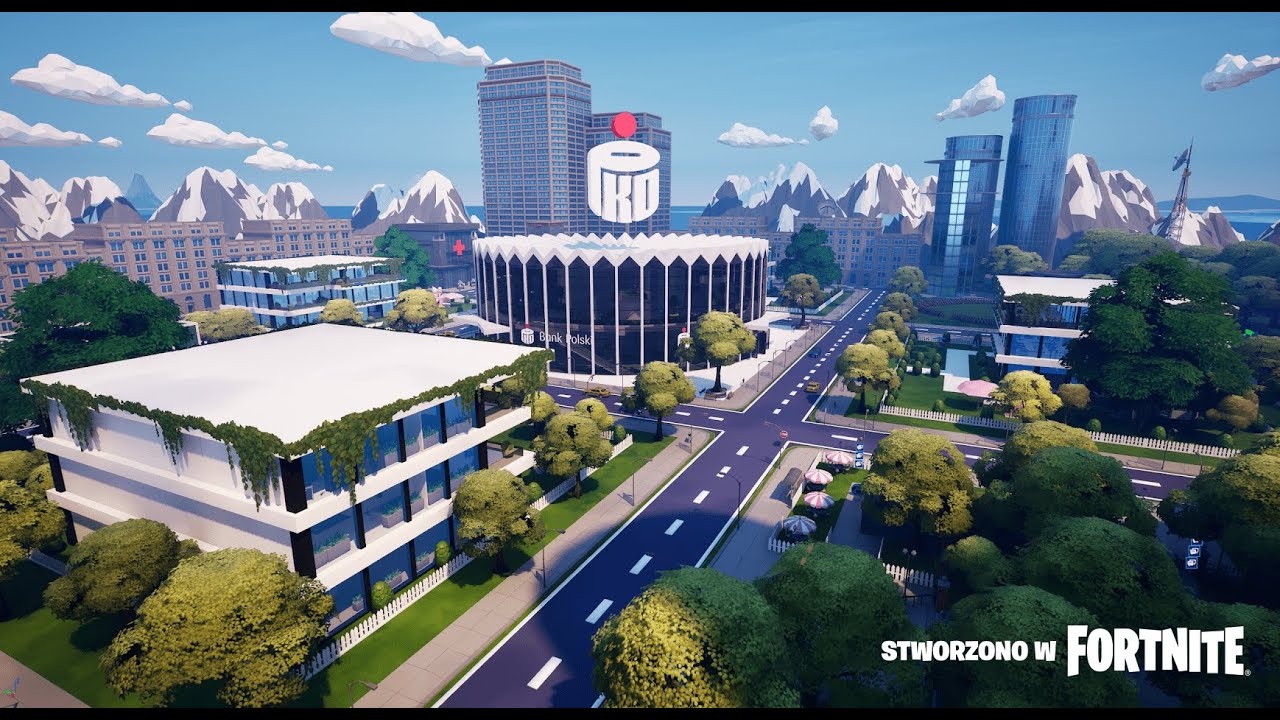
Players managed virtual businesses, allocated resources, and learned savings mechanics through a tycoon-mode map. Average session time was 26 minutes - voluntary, focused engagement with a banking brand, in a context where that engagement felt like play. The campaign reached 590,000 map visits and generated 9 million content views.
The lesson isn't that banks should build Fortnite maps. The lesson is that the cognitive infrastructure for financial thinking already exists in gaming communities. Brands that acknowledge this start from a completely different place than brands that arrive with a sponsored explainer video about compound interest.
What financial brands get wrong about gaming activations
Two patterns appear repeatedly when financial brands try to enter gaming.
The first is treating the activation as financial education - assuming gamers need to be taught about money in a gaming context. They don't. The players running arbitrage operations in Path of Exile, or optimizing their character investment portfolio in an RPG, are not waiting for a bank to explain supply and demand. The more effective approach is to acknowledge the sophistication that's already there and meet it on its own terms.
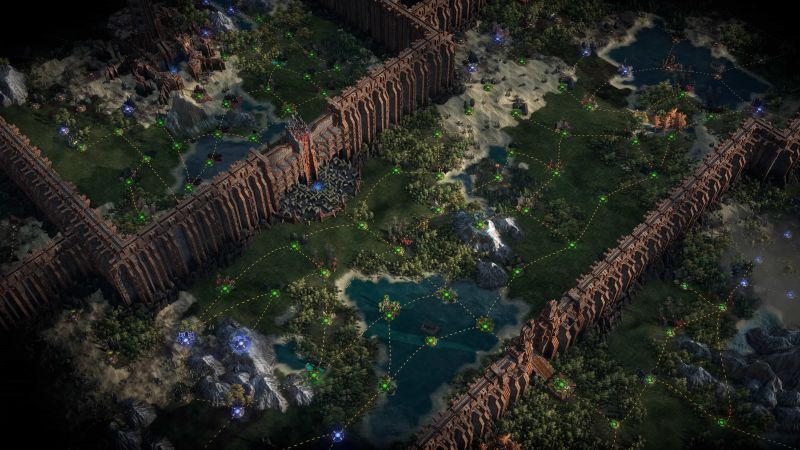
Source: https://pathofexile2.com/
The second is treating gaming as reach - buying esports sponsorship the way you'd buy banner ads, for impressions rather than connection. Santander's multi-circuit League of Legends sponsorship, Mastercard's long-term Riot Games partnership, Revolut's entry into CS2 - these aren't just visibility plays. They work because they embed the brand inside a community that already has a sophisticated relationship with economic thinking, competition, and performance. The brands that treat gaming as another media buy tend to get the reach without the credibility. The brands that build genuine presence earn both.
What this means for campaign strategy
A financial brand entering gaming doesn't need to create a game. It needs to understand what gaming communities already care about, and find a way to enter that space in a way that is consistent with what the brand stands for.
This creates several possible entry points:
- For a neobank built around spending freedom and financial independence
The natural connection is the gamer who runs a trading operation between raids, optimizes in-game resources, flips items, manages risk, and treats economic efficiency as part of the competition.This brand does not need to position itself as a teacher entering gaming with a financial lesson. It can acknowledge that many players already understand value, scarcity, timing, and optimization better than they are usually given credit for. - For a traditional bank focused on long-term savings
The connection is different. It maps onto the long-horizon thinking that strategy games already build:- planning ten moves ahead in Civilization,
- managing multi-stage production chains,
- investing resources now to create compound advantages later,
- understanding that short-term sacrifice can create long-term strength.
- In this context, the brand can connect its savings proposition to a mindset gamers already practice inside complex systems.
- For the broader financial category
The content opportunity is real and still largely unused. Gaming communities are already discussing how virtual economies mirror real ones:- on Reddit,
- in Discord servers,
- in YouTube videos analyzing in-game markets,
- in creator-led conversations about trading, scarcity, optimization, and value.
A financial brand that enters these conversations with genuine insight, rather than a branded mascot, can reach an audience that is already financially curious and already engaged.
The gap is not awareness. The gap is that most financial brands have not yet recognized that the conversation is already happening without them.
Key takeaways for marketers
- Gaming is already a functioning financial ecosystem. Roblox paid out over $1 billion to creators in 2025. Fortnite paid $352 million in 2024. In-game currency is real money in motion.
- Core and hardcore gamers are 18 to 24 years old - the exact moment people form banking relationships, open accounts, and take first loans. Financial brands that aren't in gaming are absent at the decision moment.
- Gamers already understand economic concepts - arbitrage, capital allocation, opportunity cost, market timing - through years of in-game practice. Financial education campaigns that ignore this start from the wrong premise.
- The streaming economy is an additional financial layer: subscriptions, donations, platform currencies, and attention-as-value are mechanics that gaming audiences navigate fluently.
- Financial brands that enter gaming as a reach channel get impressions. Brands that enter as genuine participants in the community's existing financial culture earn credibility.