


Brand rejection in gaming is not random. It follows a logic the community applies consistently, and understanding that logic before the campaign launches is the difference between a brand that earns a place in gaming culture and one that gets called out on Reddit the morning after the activation goes live.
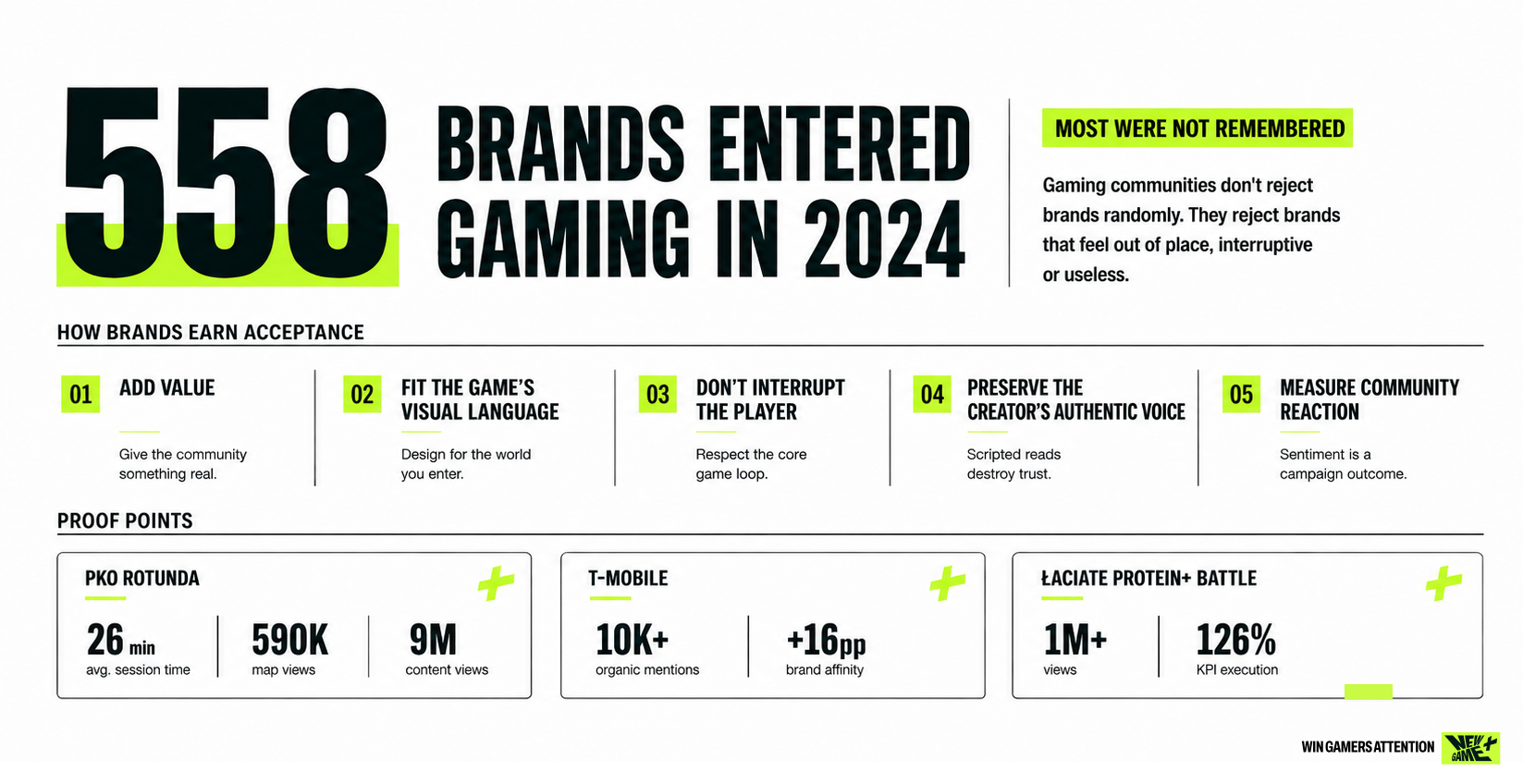
In 2024 alone, 558 brands entered gaming across Roblox, Fortnite, and other major UGC platforms, according to Naavik's State of UGC Games 2026. The majority of those activations are not remembered. A subset earned genuine community acceptance. The difference is not budget, reach, or creative polish - it is whether the brand understood the cultural logic it was operating inside.
The rejection problem is structural, not creative
Most brands approach gaming integration as a creative challenge: make something that looks good, fits the visual language of the platform, and doesn't feel like a standard ad. That framing is too narrow. The community evaluates brand presence by a set of criteria that precede aesthetics entirely.
The first criterion is intent. Does this brand have a reason to be here, or did it buy its way in? Gaming communities have been watching brands attempt to enter their space long enough to recognize the pattern of presence without purpose: a logo on a scoreboard, a branded skin that adds nothing to the game's world, a sponsored loading screen with no function beyond exposure.
Gamers prefer brands that demonstrate genuine understanding of gaming culture. Understanding gaming culture is not the same as featuring game controller imagery in a campaign. It means knowing how the specific community the brand is entering behaves, what it values, and what it expects from any presence that occupies its space.
Six principles the community applies
The brand must add something. A brand that occupies space without contributing gameplay, entertainment, or reward is perceived as a net negative. This is the value exchange principle applied at the integration level: if the brand is here, what does the player gain? The answer cannot be "brand awareness." That is what the brand gains. The community needs to gain something too.
The integration must fit the game's visual language. A brand's existing identity does not automatically translate to any gaming context. A logo that works on packaging breaks visual coherence inside a carefully designed game world. The community notices when branded elements look imported rather than designed for the space they occupy.
The brand should not interrupt what the player is doing. The most common failure point in gaming integration is placement that pauses, redirects, or distracts from the core game loop. The Danone Danio campaign solved this structurally: an AI system read the live Fortnite gameplay feed in real time and triggered the brand's character only when a player's in-game energy dropped - a moment of natural pause in the game state. The viewer reaction, documented in Twitch chat, was curiosity rather than irritation. The case study records 100% trigger precision and 650,000 views. Context precision produced acceptance. Arbitrary placement would have produced the opposite.
Community reaction is a metric, not a side effect. Chat sentiment during a live Twitch integration, forum commentary on a branded map, organic social response to a co-branded item - these are measurable outcomes, not atmospheric noise. The Cheetos Chepard campaign ended with viewers actively requesting a sequel. That is a documented community outcome. Campaigns that generate backlash also produce documented community outcomes. The difference is whether the brand is measuring them.
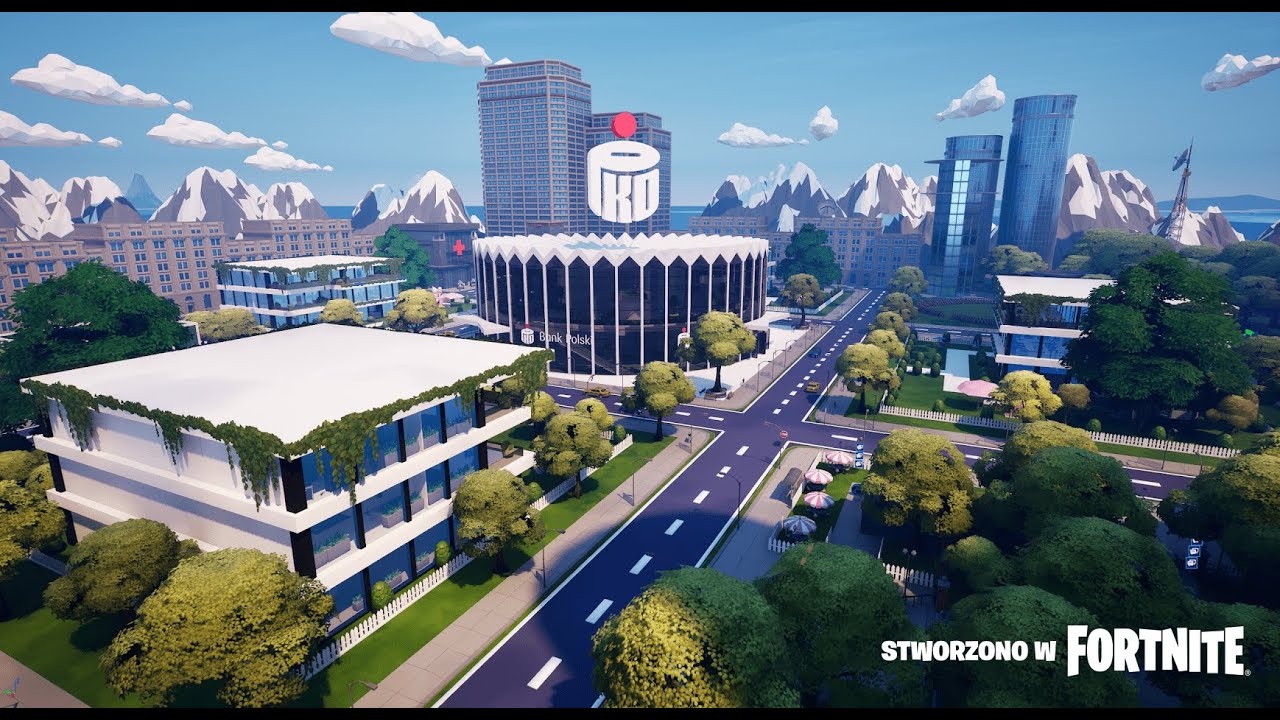
The brand cannot pretend to be something it isn't. A financial services brand in an action game works if it is honest about being a financial services brand and finds a role that fits its actual identity. PKO Bank Polski built a Fortnite map - PKO Rotunda - where players opened virtual accounts, managed businesses, and completed side quests teaching financial basics. The bank was entirely itself. The integration was built around what the brand genuinely does and what its target audience actually needed to learn. The result: 26 minutes average session time, 590,000 map views, 9 million content views. The brand did not pretend to be a gaming brand. It found the role a bank could authentically play inside a game, and played it.
Sustained presence builds what one-off activations cannot purchase. Gaming communities remember brands that show up consistently, not just for a launch quarter. Around 80% of gamers remain loyal to brands they trust, according to research from Leagues Media. Trust is built through repeated positive interactions - a brand that enters gaming once, even successfully, is on the outer edge of that community. A brand that shows up in ways that earn acceptance across multiple campaigns builds the kind of presence that accumulates.
The integration formats and what each one requires
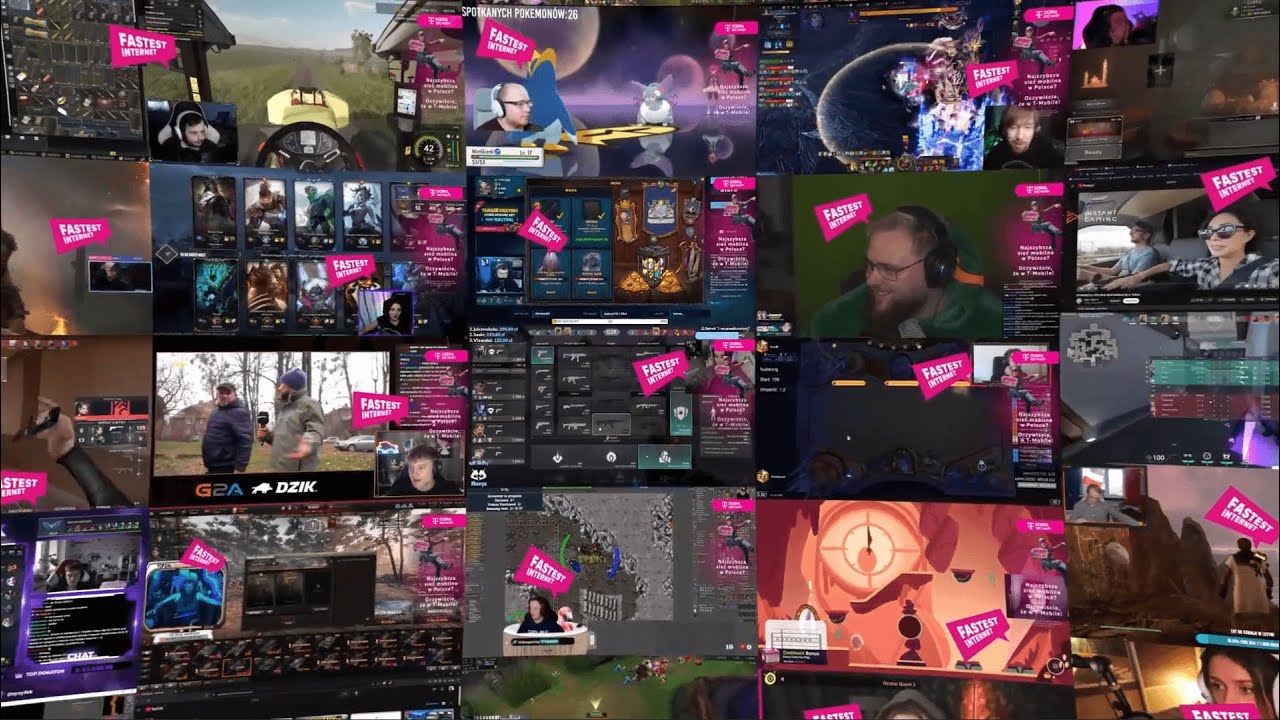
In-stream overlay: Contextual brand presence during live gameplay, triggered by real-time game state or streamer speech. Requires trigger precision and brand safety monitoring. The T-Mobile campaign used voice recognition to detect when streamers naturally said "Fastest Network" and triggered animations automatically - producing 10,000+ organic mentions and +16pp brand affinity without a single scripted read.
Branded in-game item or skin: The item must have gameplay or aesthetic value the player actually wants. Items that exist only to display a logo are ignored. Items that fit the game's world and serve a function get used, shared, and talked about.
Branded experience or map: Requires enough entertainment value to justify the time investment. The PKO Bank map worked because players chose to spend 26 minutes there - voluntarily, without a skip option. An empty branded space with no gameplay reason to visit delivers visit counts close to zero.
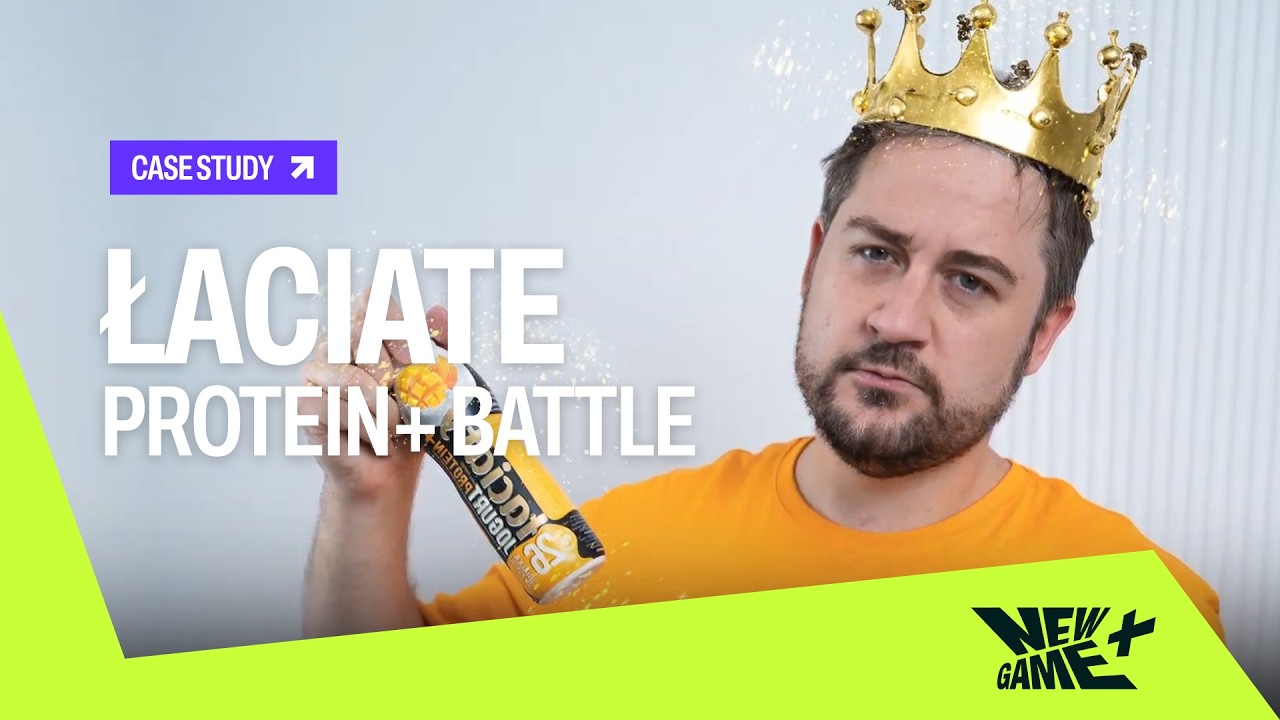
Community tournament or event: Requires genuine stakes - real prizes, competitive format, participation by streamers the community actually follows. The Łaciate Protein+ Battle campaign by Mlekpol built a pro-am format with five top League of Legends creators as team captains, a PLN 10,000 prize pool, and viewer recruitment that happened live on stream. 1,012,768 total views and 126% KPI execution followed. The format worked because the community had real reasons to watch and participate.
Streamer integration: The most common format and the most commonly mishandled. The streamer's voice is the asset. The moment it starts sounding scripted, the asset is destroyed. Streamers who have used the product themselves, or who genuinely find the mechanic interesting, deliver content the community trusts. Those who are reading approved copy deliver content the community skips.
Brand safety is not optional, and it is not the same as creative control
Gaming integrations run in live, community-generated environments. The brand cannot preview every adjacent piece of content. Brand safety monitoring - real-time flagging of contextual mismatches, content audit processes, clear briefing parameters for creators - is the operational requirement that makes integration viable at any scale.
New Game +'s Safety 2.0 infrastructure addresses this directly: monitoring brand placements across campaigns in real time allows problems to be caught and addressed before they compound. This is not the same as requiring pre-approval on every piece of creator content. Approval gates that slow creators' processes produce worse content and damaged relationships. The distinction matters.
The integration readiness checklist
Before a gaming integration launches, seven questions require honest answers:
Does the brand have a defined role in this experience - not just a logo placement? Is there gameplay, reward, or entertainment value being added? Does the visual execution fit the game's aesthetic conventions rather than importing the brand's packaging language into an incompatible space? Is there a brand safety monitoring plan that operates in real time? Has community reaction been designated as a measurable KPI alongside impressions? Is this the beginning of sustained presence or a one-time experiment? Has the streamer or creator been briefed in a way that preserves their authentic voice?
A campaign that answers all seven questions before launch is not guaranteed community acceptance. But a campaign that cannot answer them is already in trouble.
Key takeaways for marketers
- Brand rejection in gaming follows a consistent logic - it is not random and it is not about creative quality
- The community evaluates intent before aesthetics: does this brand have a reason to be here, or did it buy its way in?
- The value exchange principle applies at the integration level: the community must gain something real from the brand's presence
- Streamer voice is the asset in creator integrations - scripted reads destroy it; genuine experience preserves it
- Brand safety monitoring and creative control are different things; brands that confuse them get worse content and more risk