


Most brand campaigns that fail in gaming don't fail because the creative was weak. They fail because the brief never asked the right questions. The target audience was defined, the KPIs were set, the formats were chosen = and nobody stopped to ask what role the brand was actually allowed to play in this community.
Gaming communities operate by a set of unwritten standards. They are not published anywhere. They are not in any platform's advertiser guidelines. But they are enforced immediately, loudly, and without appeal. A campaign that violates them doesn't just underperform - it generates the kind of backlash that follows a brand for years.
Understanding these rules is not a creative exercise. It's a prerequisite for entering the channel at all.
Why standard advertising instincts don't transfer
The first mistake most brands make is treating gaming like any other digital channel. Buy the inventory, place the creative, measure the impressions. The problem is that gaming audiences have been building defenses against exactly that approach for over a decade.
Around 64% of stream viewers use ad-blocking tools online, according to inStreamly's Live Streaming Trends 2025 report. Among desktop gamers specifically, the figure sits at around 47%. These are not passive audiences who tolerate ads the way a TV viewer might. They are people who have actively restructured their media environment to prevent brand intrusion. A standard media buy does not reach them. It reaches around them, at best.
The implication is structural: if you want to reach gaming audiences, you cannot rely on buying space. You have to earn presence. That distinction changes everything about how a campaign needs to be built.
Rule one: the community can identify a cash grab within seconds
Gaming communities have spent years watching brands attempt to enter their space. They have developed sharp pattern recognition for what a cash grab looks like: a logo placed on something with no relevance to gameplay, a branded skin that doesn't fit the game's visual language, a sponsored character whose only function is to say the brand name.
The test is simple. If the brand disappeared from this game or stream tomorrow, would anyone notice? If the answer is no, the community has already noticed - and the answer to the brand is also no.
Around 72% of gamers distrust traditional advertising, according to research cited by MediaCat UK. That distrust is not generalized cynicism. It is a specific response to years of brands showing up in gaming spaces without any understanding of what those spaces value.
Rule two: context relevance is not optional
A brand that enters a gaming context without understanding that context signals to the community that neither the brand nor its agency did their homework. This is not about having the right genre association - a snack brand doesn't need to sponsor a food simulation game to make sense. It's about understanding the specific audience of a specific game or stream and finding a role that actually fits that audience.
A horror game streamer's audience is not the same as a sports game streamer's audience, even though both technically qualify as "gamers." A Fortnite player in 2025 has different expectations than a League of Legends player. Treating the gaming audience as a monolithic demographic is how campaigns end up irrelevant to everyone they target.
According to Deloitte research, 64% of Gen Z will only engage with brands that provide meaningful, authentic experiences. In gaming, "meaningful" means the brand has a reason to be in this specific place, with this specific community, at this specific moment.
Rule three: the community must gain something real
Every brand integration occupies space inside an experience the player has chosen to be in. The community applies a simple logic: if the brand is taking up space here, what do we get in return?
Acceptable returns include exclusive content, gameplay enhancements, rewards tied to the game's mechanics, entertainment that adds to the stream rather than interrupting it. A logo is not an acceptable return. A branded loading screen with no function is not an acceptable return.
The Allegro gamEXP campaign ran on exactly this logic. Players earned Smart! Coins for gaming achievements in League of Legends, Valorant, and Teamfight Tactics. The brand built a reward infrastructure inside existing gameplay - it gave the community something real in exchange for its attention. The result: 19,884 active players, 92% positive sentiment, a veteran streamer calling it the best viewer-focused activation of his career.
The value exchange is not a creative nicety. It is the mechanism that determines whether the community accepts or rejects the brand's presence.
Rule four: organic voices cannot be scripted
A gamer who watches a streamer daily knows how that streamer talks. They know their cadence, their vocabulary, their opinions. When a sponsored segment breaks from that voice - when the streamer suddenly sounds like they're reading copy - the audience notices within sentences.
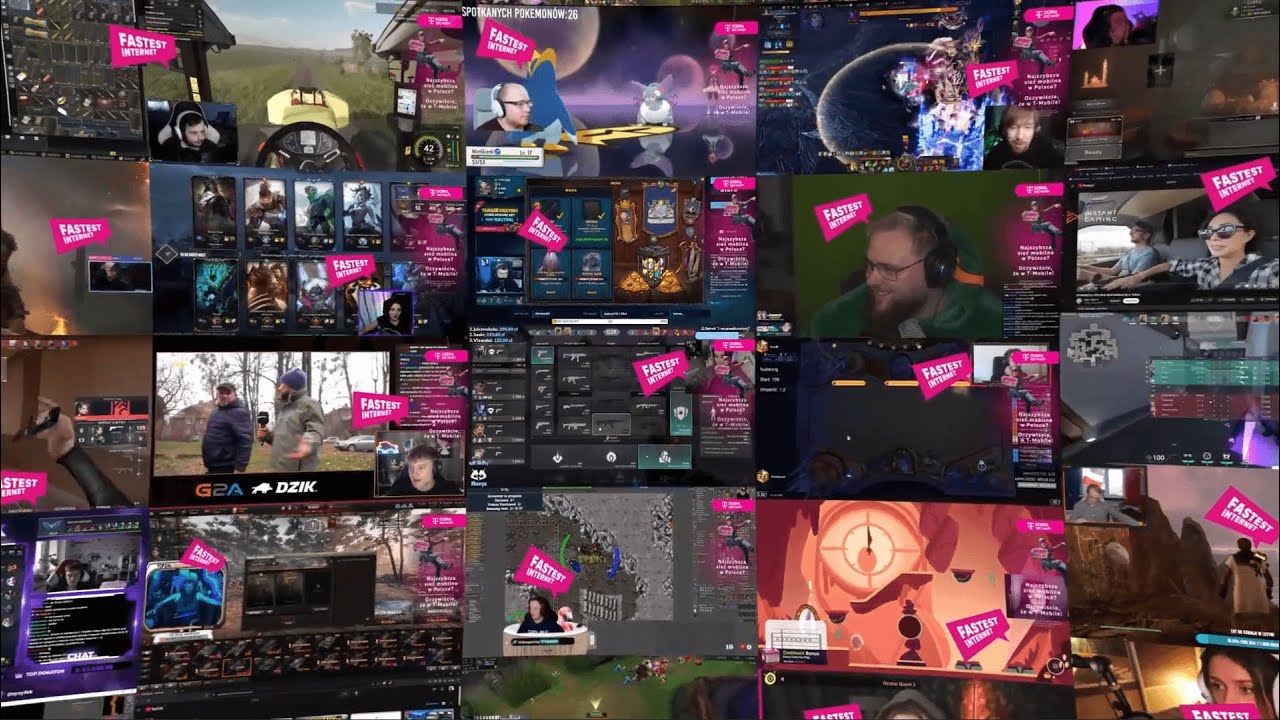
The T-Mobile "Fastest Network" campaign produced the clearest evidence of what happens when this rule is followed correctly. Rather than scripting mentions, the campaign used a voice recognition system to detect when streamers naturally said the phrase - then triggered T-Mobile animations automatically. Over 10,000 organic mentions occurred across 275 streams. Viewers started requesting that streamers say the phrase. The campaign turned an advertising trigger into a running joke the community wanted to participate in.
The case study documents +16pp brand affinity and +11pp brand recall - driven by an approach that required streamers to say nothing they wouldn't have said anyway.
Scripted mentions don't just underperform. They actively damage the streamer's relationship with their audience, which damages the brand by association.
Rule five: the brand's history is public and searchable
Gaming communities archive everything. Forum posts, Reddit threads, YouTube video essays, Twitter callouts - a brand that ran a tone-deaf campaign two years ago will encounter that history when it tries to return. A publisher that used predatory mechanics in a mobile game will find that reputation preceding it into a streaming campaign. A brand that publicly dismissed gaming as a niche will find screenshots of those statements in comment sections for years.

This cuts both ways. Brands entering gaming for the first time have no track record to defend - which is an advantage. The clean slate is worth protecting. The first campaign in a new channel sets the frame for everything that follows.
Rule six: saturation signals a media buy, not a relationship
When the same brand integration appears across every streamer in a genre during the same week, the community reads it as what it is: a coordinated media buy. The individual relationship that makes creator marketing effective disappears, replaced by the same kind of broadcast logic the audience has already opted out of.
The Cheetos Chepard campaign ran across 220 Twitch streams simultaneously - but the mechanism was a shared community experience, not parallel brand mentions. Viewers collectively cared for a virtual pet using Twitch chat commands. The format turned stream breaks, traditionally the lowest-retention moment of any broadcast, into the most anticipated part of the stream. Viewers asked for a sequel when it ended.
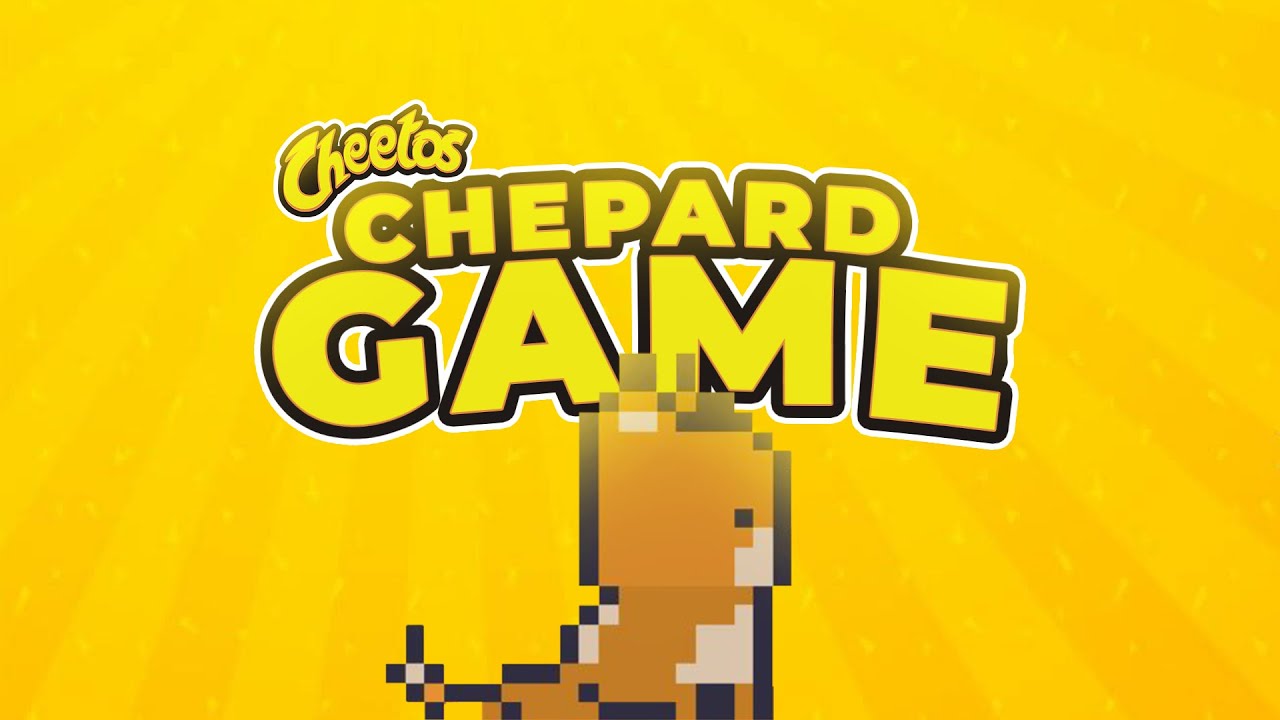
220 streams, one shared mechanic, genuine community participation. That is the difference between saturation and presence.
What the brief is missing
Most gaming campaign briefs define the target audience, the platform, the format, the budget, and the KPIs. Almost none of them answer the questions the community will ask the moment the campaign goes live.
What does the brand add to this experience? What does the community gain from this brand being here? Does the execution fit the visual and cultural language of this specific game and streamer? Has anyone reviewed what this brand's history in gaming looks like from the outside?
The campaigns that earn genuine acceptance in gaming communities are not the ones with the biggest budgets or the most reach. They are the ones where someone, early in the process, asked those questions - and let the answers shape the brief.
Key takeaways for marketers
- Ad-blocking rates among gaming audiences exceed 60%, which means standard media buys do not reach the audience you're trying to reach
- The community evaluates brand presence by whether it adds something - gameplay, reward, entertainment - not by whether the creative is polished
- Organic creator voice is the mechanism that makes gaming campaigns work; scripting destroys it
- Sustained presence across multiple campaigns builds the trust that one-off activations cannot purchase
- The first question every gaming brief should answer: what role does this brand have permission to play in this community?