


Gaming often enters a media plan as one audience: young people, games, Twitch, a few big creators. Then the campaign planning starts. Fortnite, Counter-Strike, League of Legends, Roblox, The Sims, World of Tanks, IRL streams, Twitch, YouTube and Kick are not one community. They come with different audiences, demographics and cultural codes.
At inStreamly, we work with thousands of gaming creators across our markets. And one thing becomes obvious very quickly: most creator-selection mistakes happen before anyone even starts looking at creators.
Myth #1: If you want to reach women, choose a female streamer
This sounds logical. In gaming, it often isn't.
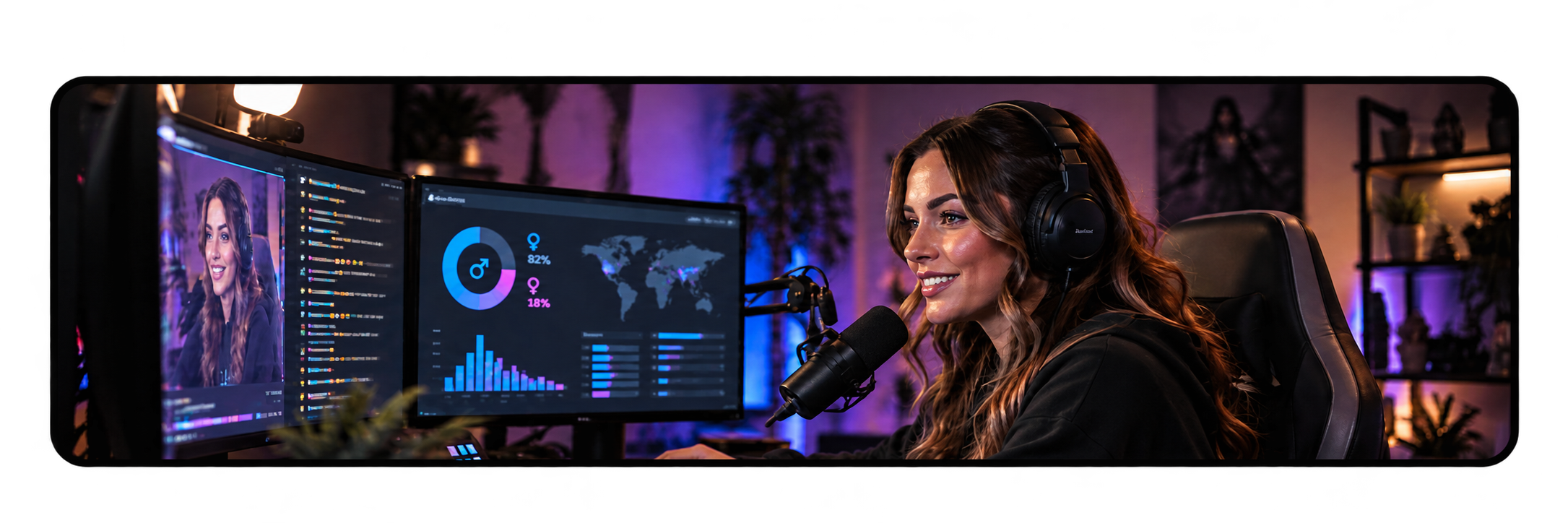
In mainstream livestreaming, female streamers can have overwhelmingly male audiences. Choosing a creator based on their gender tells you very little about who actually watches them. If reaching women is the objective, I would start somewhere else: the game, content category, platform and actual channel demographics.
A creator focused on The Sims, certain Roblox communities or gaming lifestyle content can have a completely different audience from someone streaming Counter-Strike, Fortnite or League of Legends.
The creator's gender is one data point. The community around them is what you're actually buying access to.
Myth #2: Two big creators give you broad gaming reach
A large creator gives you reach. Two large creators give you more reach.
But neither automatically gives you diverse reach.
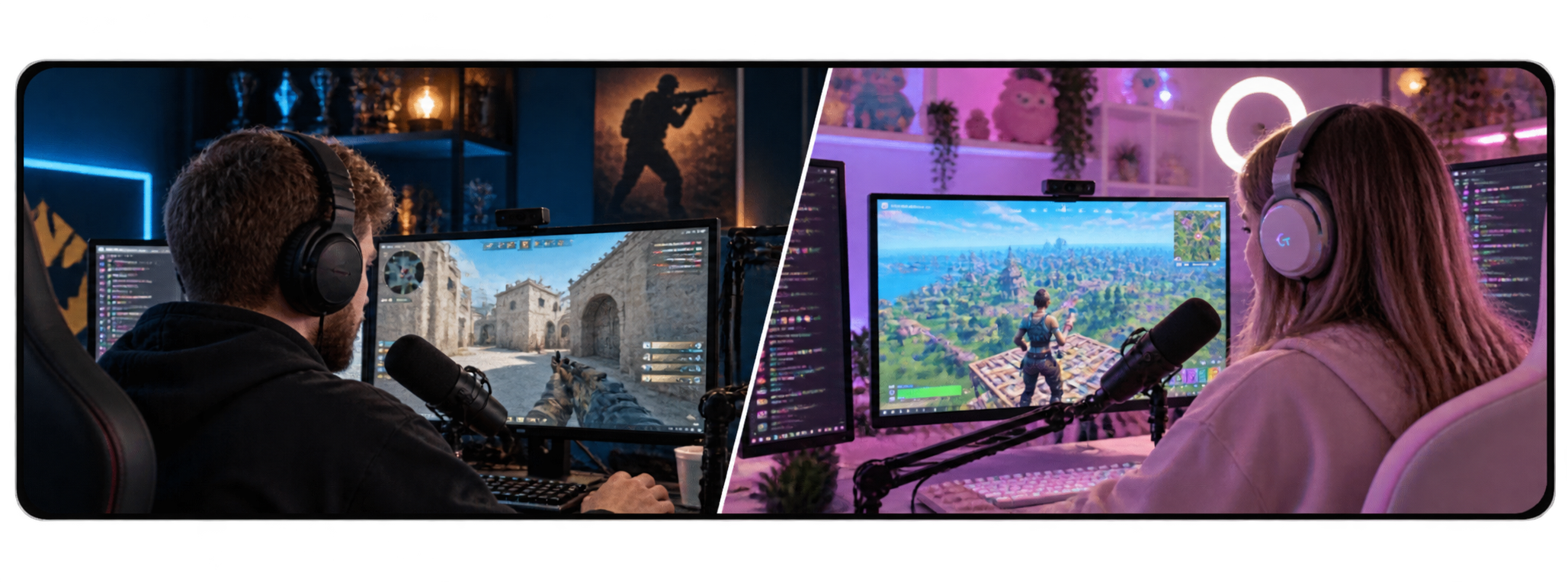
Gaming communities cluster heavily around games and formats. Someone deeply immersed in Fortnite may know very little about the Polish Counter-Strike scene. The same way a basketball fan doesn't automatically follow speedway just because both are sports.
If you choose two big creators from the same bubble, you may end up paying twice to reach very similar people. That's why, for YoPRO, we paired Pago, one of the best-known names from Polish Counter-Strike streaming, with Jacob, strongly associated with Fortnite.
Their size mattered, but so did the distance between their communities. The campaign could move both creators outside their usual worlds, let them compete in each other's games and create something their audiences wouldn't normally see.
When choosing several creators, look at audience overlap, not only combined reach.
Myth #3: Gaming is for kids
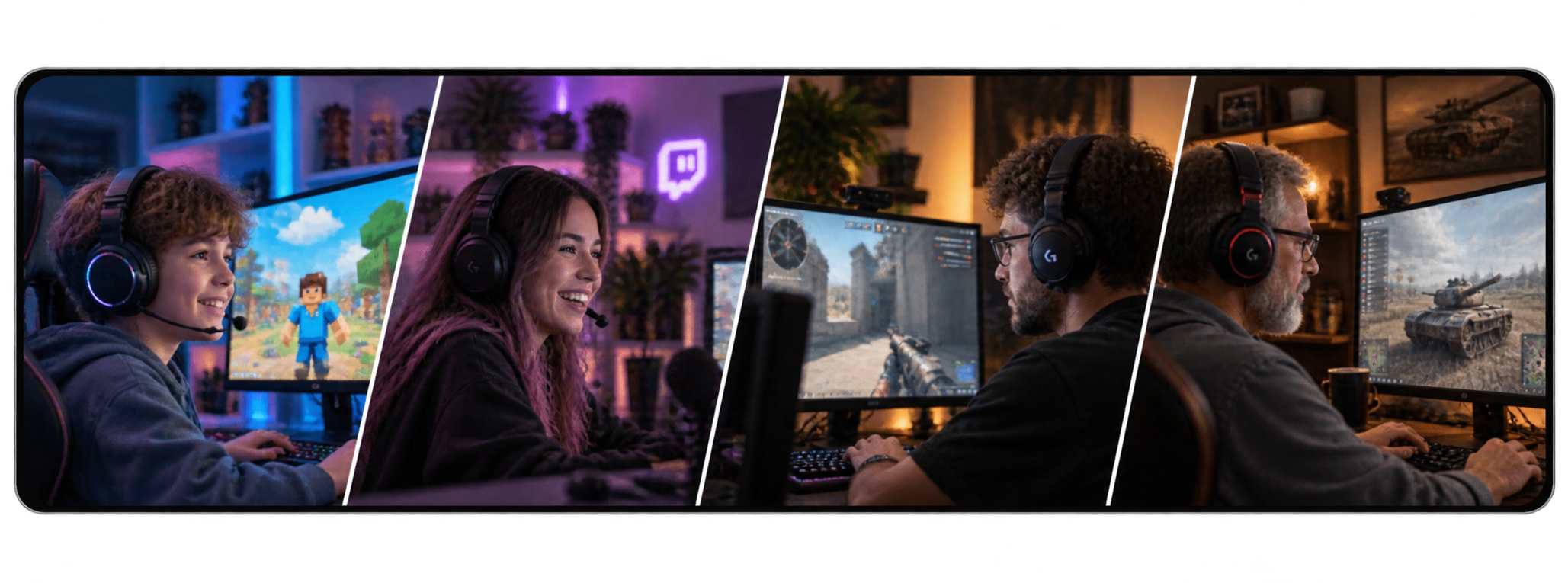
Some gaming spaces skew young. Roblox is the obvious example.
Although I still look at self-reported age data there with some caution. When I was ten, plenty of websites and games were convinced I was eighteen too. ;)
But gaming as a whole is much broader. Our data shows communities around titles such as World of Tanks can have average streaming audiences well into their 40s, while the sweet spot of Polish Twitch is around the early twenties.
More importantly, different games attract different generations. So asking whether "gamers" fit your target group isn't particularly useful. Ask instead: Which games, creators and formats matter to the people we want to reach?
That's a much better starting point.
Myth #4: A gaming campaign has to be about playing a game
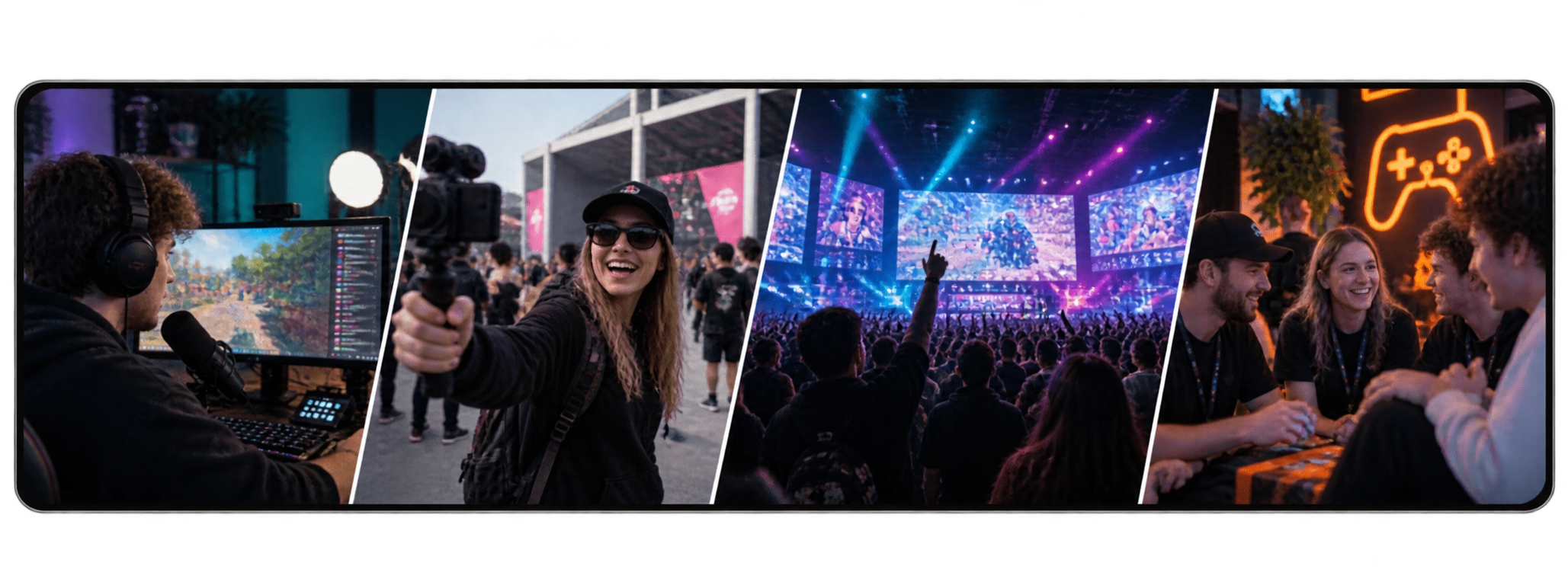
Gaming creators don't stop being gaming creators when they leave their desk.
IRL streaming, creator meet-ups, challenges, events, collaborations and community formats have become an important part of gaming culture. That gives brands a much bigger canvas than putting a product next to someone's keyboard.
One example is Allegro gamEXP. Players earned Smart! Coins by completing challenges in League of Legends, Valorant and Teamfight Tactics, while audiences could participate through watching gaming streams.
More than 1,000 creators joined the activation, 19,884 players completed challenges, and the campaign generated more than 200 million impressions. The important part wasn't simply that gaming appeared in the campaign.
The mechanic was built around behaviour that already existed: playing, watching, completing challenges and sharing the experience with a community.
Myth #5: Only the biggest creators matter
This is different from the previous reach problem.
A big creator can be extremely valuable. They can give the campaign a recognizable face, credibility and a strong launch.
But they don't have to do all the work. Gaming is fragmented across thousands of creators and communities. That fragmentation can actually be an advantage if the campaign is designed for it.
A model we use often is: a recognizable ambassador + a broad network of mid-sized and smaller creators. The ambassador gives the campaign a face. The wider creator network distributes the idea across many different communities.
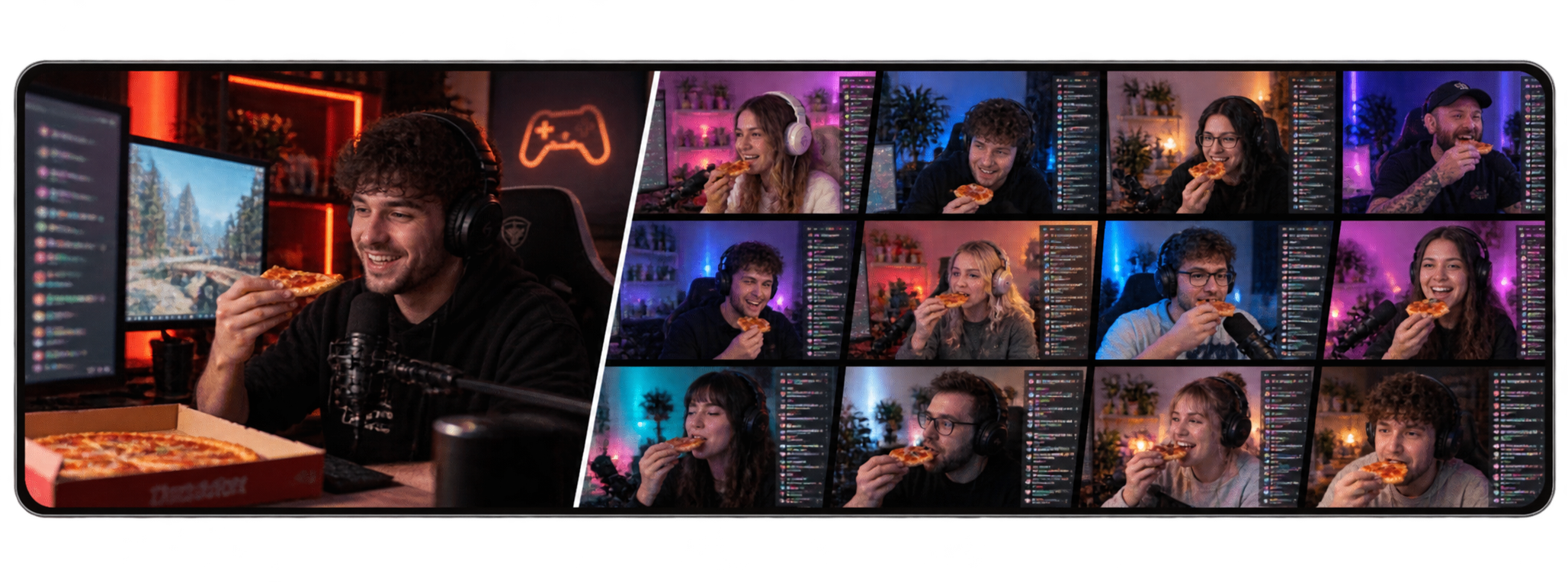
Dr. Oetker Guseppe is a good example. 1,896 Polish streamers chose their favorite pizza variant, so the recommendation could feel native to each individual stream instead of being one standardized message repeated everywhere.
The campaign increased perception of Guseppe as a "pizza for gamers" by 10 percentage points, purchase consideration by 11pp and ad recall by 33pp. We also detected more than 48,000 pizza-related chat messages during the campaign.
One big creator can create a big moment. A well-designed network can make that moment appear across hundreds of communities.
Myth #6: Gaming audiences hate advertising
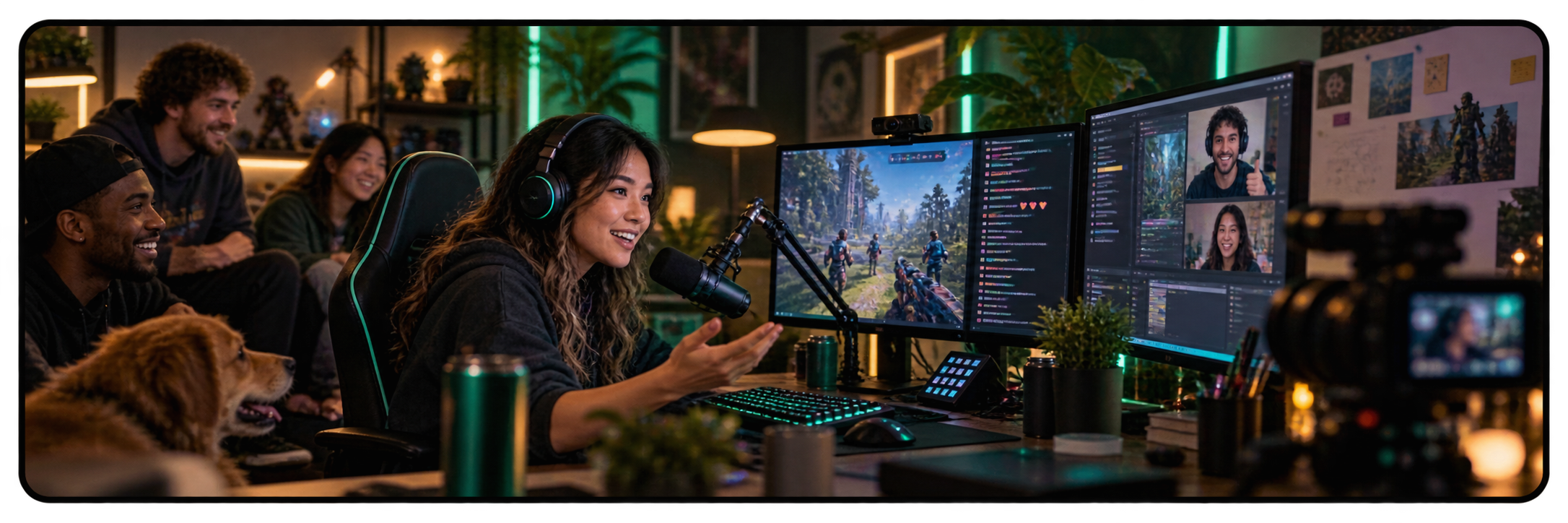
Gaming audiences are extremely good at recognizing advertising.
That part is true. They grew up online, use ad blockers heavily and quickly notice when a brand integration feels forced or has nothing to do with the creator they came to watch. But being advertising-aware is not the same as being anti-brand.
The question is what role the brand plays. This is why creators should be involved much earlier than the final execution. Streamers spend hours every day interacting directly with their communities. They often know before the brand does what will feel natural, what will become a joke and what viewers will ignore.
The other route is supporting something the community genuinely values. Mountain Dew's Dew It Anyway was built as an accelerator for aspiring gaming creators, using Discord, creative challenges, education and established ambassadors.
The campaign generated 71.3 million digital impressions and more than 1.6 million contextual streaming impressions through inStreamly.
The brand wasn't simply buying time on someone's channel. It had a role in what the community was already trying to do.
Gaming & streaming news flash

Twitch hits 8.6 billion gaming hours watched in 2026
Twitch's State of Gaming report reveals 8.6 billion hours watched between January and September 1. Indie gaming content grew 51% year-over-year, while streams using Twitch Drops generated 1.6 billion hours watched. The data highlights how gaming attention spreads across different titles, creators and communities.
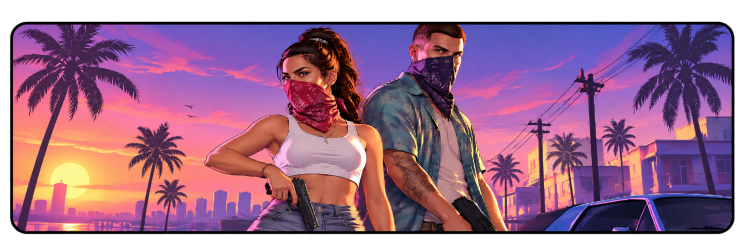
GTA VI launches November 19 - gaming's biggest attention moment is approaching
Rockstar's highly anticipated game arrives on PlayStation 5 and Xbox Series X|S on November 19. With the launch just weeks away, GTA VI is set to dominate gaming conversations, creator content and livestreaming. A major cultural moment for brands planning November campaigns.
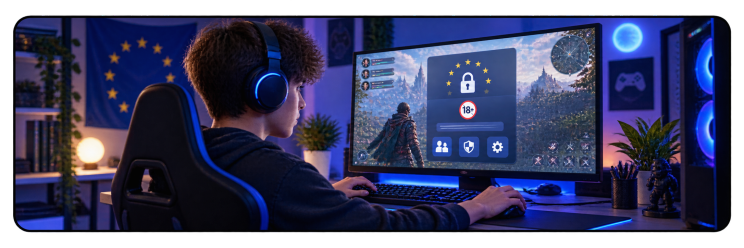
EU proposes new child safety rules covering online games
The European Commission introduced the EU KIDS Act on September 17, covering social media, video platforms, online games and AI chatbots. The proposal includes stronger age verification, parental controls and restrictions on addictive features such as infinite scrolling and reward mechanisms. Age-based access rules would primarily target social media, with tailored safeguards for online games. The legislation still requires negotiations before becoming law.

Xbox launches XP division to expand gaming beyond games
Microsoft announced XP, a new Xbox division bringing together film and TV, merchandise, live experiences and brand partnerships. Led by former Mojang president Kayleen Walters, the division will develop new ways for creators, brands and communities to engage with Xbox franchises. A major move toward turning gaming IP into broader entertainment and marketing ecosystems.
Want to learn more about gaming marketing?
I share more insights, campaign examples and trends from the gaming industry in Gaming for Marketers newsletter.
Subscribe here to get the next edition.